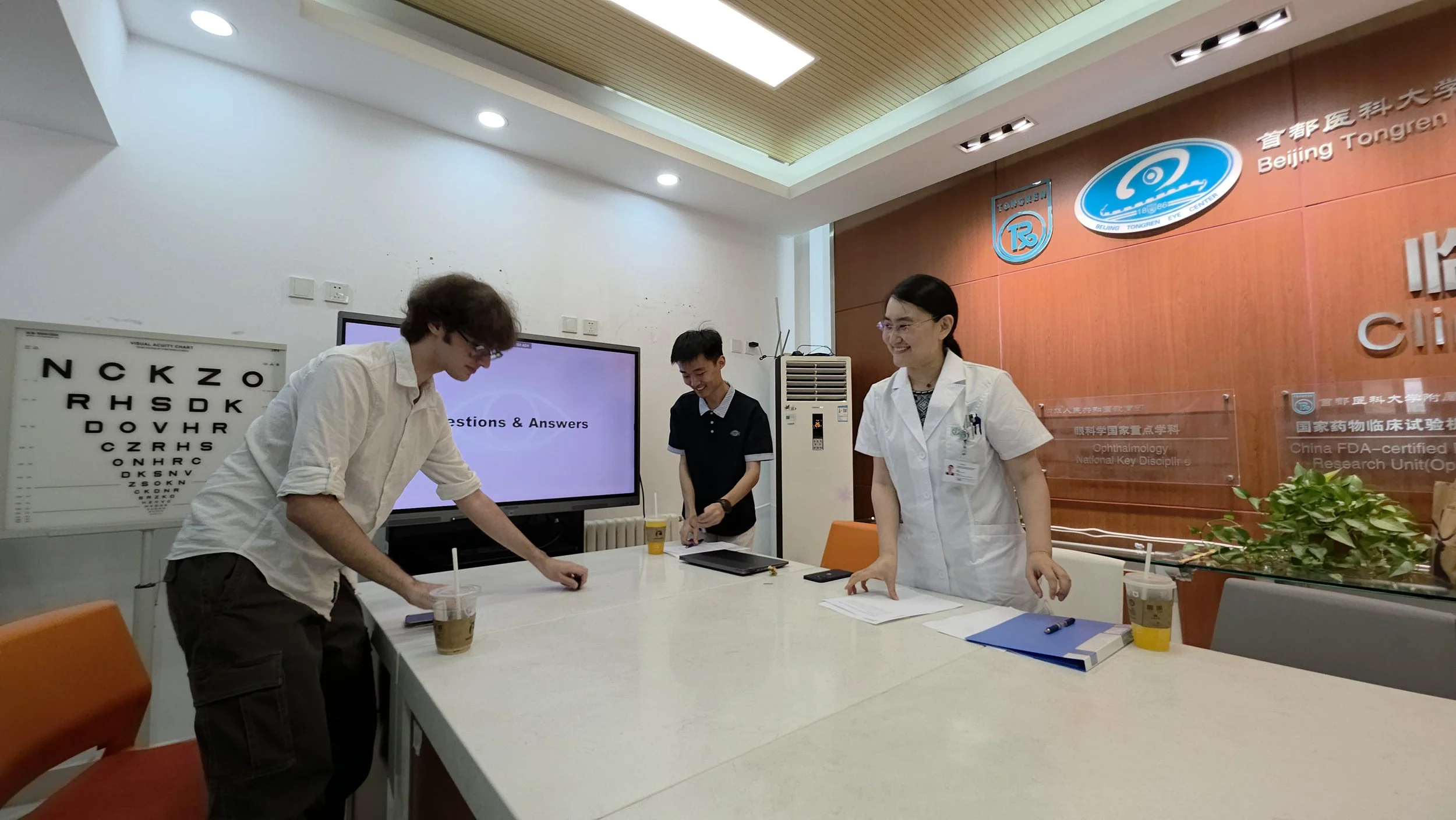
Interview: Dr. BO WAN, M.D, PhD & DR. TIAN-ZE XU
Childhood Myopia, Prevention, and Children’s Vision Health
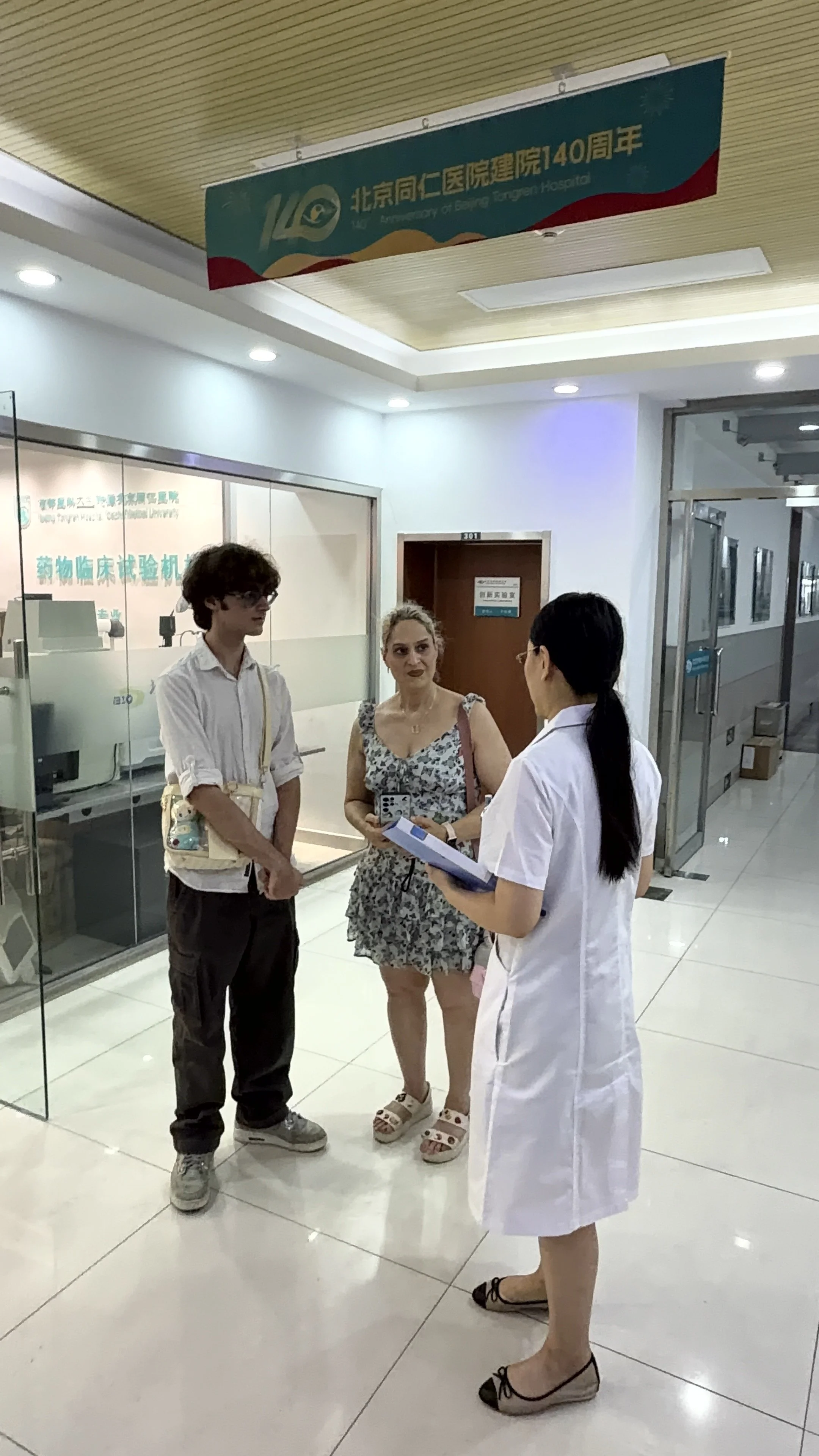
As part of the ClarityReach Myopia Awareness Project, Camden Niknam interviewed Dr. Bo Wan and Dr. Tian-ze Xu in Beijing to gain a fresh perspective on childhood myopia, early prevention, treatment options, and what parents can do to protect children’s long-term vision.
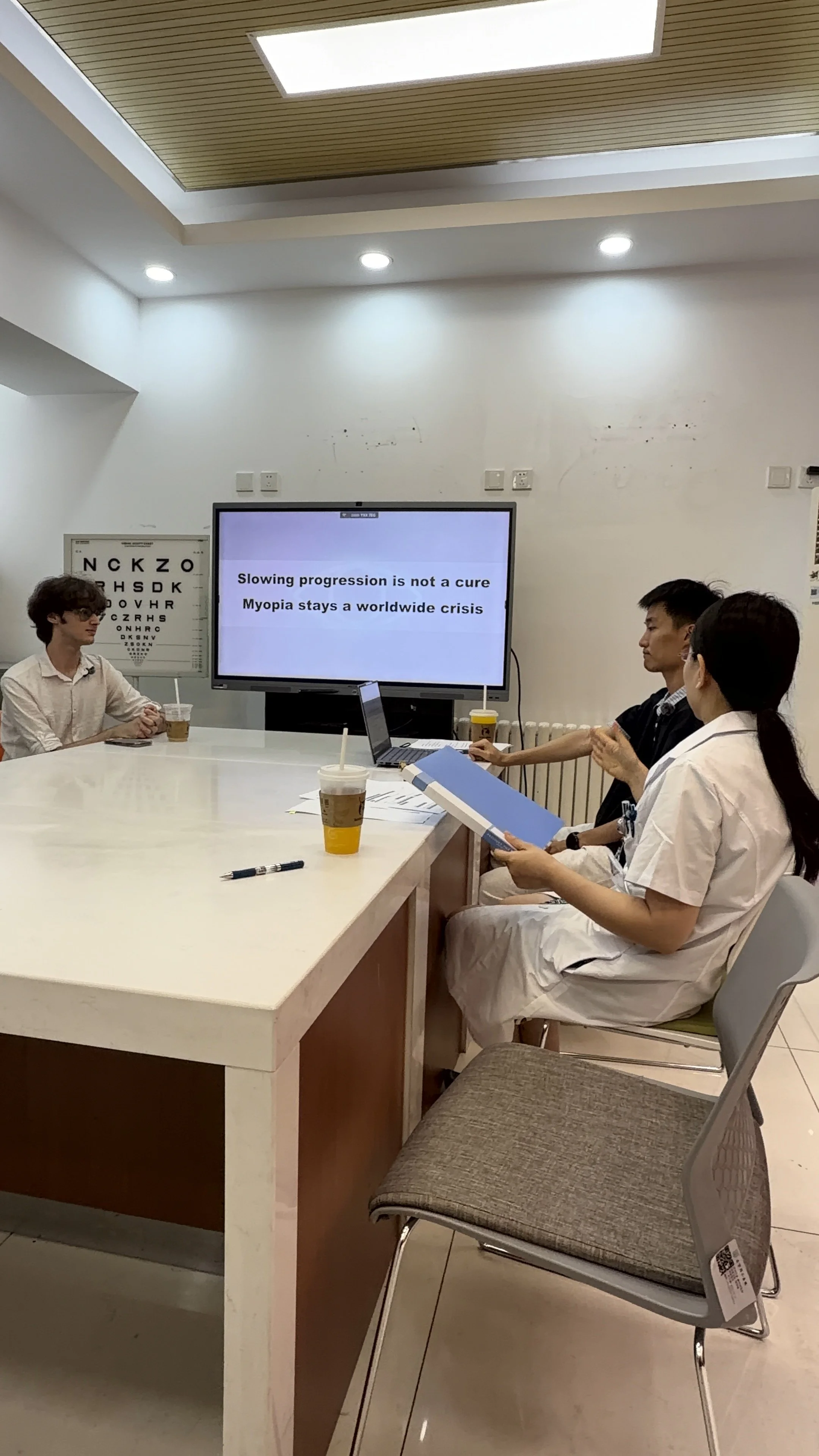
Interview Overview
During our visit, Dr. Wan and Dr. Xu shared valuable insights into the growing global challenge of myopia and the importance of early detection. They explained that myopia is caused by a combination of genetic and environmental factors, with childhood being a particularly important period for prevention and management. Both experts emphasized that regular eye examinations should begin at a young age and that children should spend more time outdoors, practice healthy visual habits, and follow the 20-20-20 rule to reduce eye strain.
A major focus of the discussion was the latest advances in myopia management. Dr. Wan and Dr. Xu described several proven approaches used today, including specialized myopia-control glasses, low-dose atropine eye drops, orthokeratology contact lenses, and repeated low-level red-light therapy. They stressed that while current treatments can slow the progression of myopia, they do not cure it. The ultimate goal is to prevent children from developing high myopia, which can significantly increase the risk of serious eye diseases and vision loss later in life.
BELOW WATCH THE FULL INTERVIEW
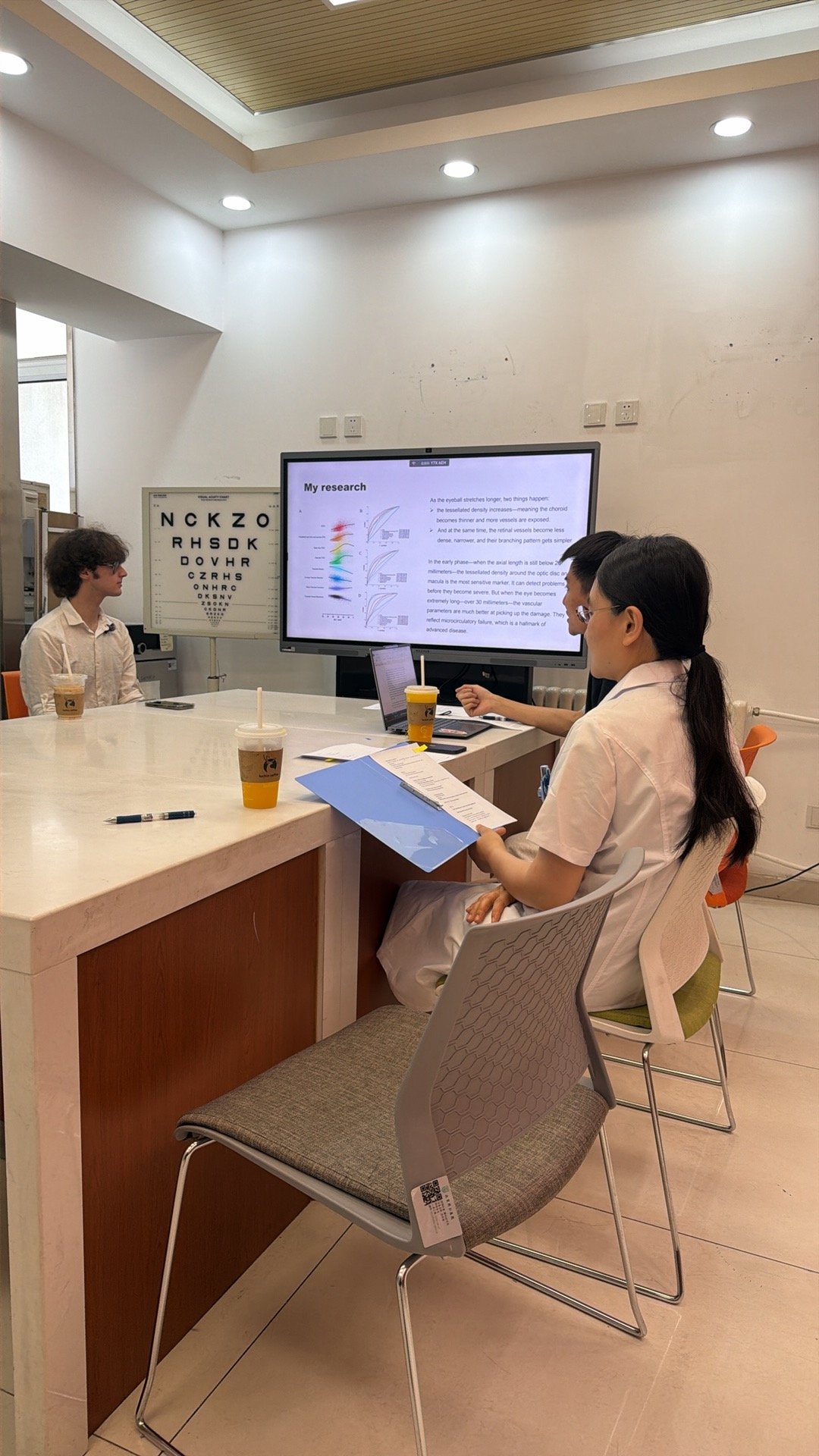
The interview also highlighted exciting research taking place in China, where artificial intelligence is being used to analyze retinal images and identify early signs of myopia progression. The researchers believe AI will play an increasingly important role in screening, monitoring, and personalizing treatment for patients, an area where Professor Jin’s team has already generated significant research findings. Their key message was simple but powerful: early detection, early intervention, and healthy visual habits remain the most effective tools we have today in protecting children's vision and reducing the long-term impact of myopia.
Key Highlights
1. understanding myopia
Dr. Wan and Dr. Xu provide a clear explanation of myopia, describing how it develops when the eye grows too long or the cornea becomes too curved. They explains that this structural change causes light to focus in front of the retina rather than directly on it, leading to blurry distance vision.
2. early detection
They highlight why early detection is crucial, noting that children’s eyes grow rapidly and unchecked myopia can worsen quickly. Detecting myopia early allows specialists to intervene before the eye elongates too much, reducing the likelihood of complications such as retinal detachment, glaucoma, or macular degeneration later in life.
3. warning signs
They also discuss practical warning signs that parents can observe at home. These include frequent squinting, sitting very close to screens or books, complaining about blurry distance vision, or avoiding activities that require seeing far away.
4. outdoor time
The interview emphasizes the protective effect of outdoor time, explaining that natural light exposure helps regulate eye growth and reduces the likelihood of developing myopia. Dr. Wan notes that studies consistently show children who spend more time outdoors have lower rates of myopia, and she encourages families to incorporate daily outdoor play as a simple, effective preventive measure.
5. healthy study habits
They outline healthy visual habits that can reduce eye strain and slow myopia progression. These include maintaining proper reading distance, using good lighting, taking regular breaks during close work, and balancing screen time with physical activity. Dr. Wan explains that sustained near work without breaks can accelerate myopia, making good habits essential for school‑aged children.
6. regular eye exams
Dr. Wan stresses the importance of routine eye exams, especially for children who are at higher risk due to family history or early symptoms. She explains that regular checkups allow specialists to track changes in eye growth, adjust treatment plans, and catch progression early. She also notes that general screenings may miss subtle signs, making comprehensive exams with an eye‑care professional essential.
7. treatment options
The conversation covers several evidence‑based treatments designed to slow myopia progression rather than just correct vision. Dr. Wan explains how defocus lenses alter peripheral focus to reduce eye elongation, how low‑dose atropine eye drops help regulate growth signals in the eye, and how orthokeratology lenses reshape the cornea overnight to provide clear daytime vision while slowing progression. She also mentions emerging therapies from Professor Jin’s research team, that offer new possibilities for reversing axial length and enabling personalized care.
Q&A
-
Myopia is a condition where the eye grows too long, causing distant objects to appear blurry because light focuses in front of the retina instead of directly on it.
-
Dr. Wan and Dr. Xu explain that myopia is more than a need for glasses; progressive eye elongation increases the risk of retinal detachment, glaucoma, and macular degeneration later in life.
-
Myopic eyes become longer from front to back, stretching the retina and making it more vulnerable to damage.
-
Early detection allows specialists to intervene before the eye elongates too much, helping slow progression and protect long‑term vision.
-
Common signs include squinting, sitting close to screens, holding books very near the face, or struggling to see distant objects in class.
-
Outdoor time exposes children to natural light, which helps regulate healthy eye growth and reduces the likelihood of developing myopia.
-
Dr. Wan and Dr. Xu recommend proper reading distance, good lighting, regular breaks from screens, and balanced study routines to reduce eye strain.
-
Regular exams help track eye growth, detect early changes, and adjust treatment plans based on each child’s progression.
-
Defocus lenses create a special optical pattern that reduces peripheral hyper‑focus, helping slow the eye’s elongation.
-
Low‑dose atropine eye drops gently relax certain growth signals in the eye, slowing myopia progression without affecting daily vision.
-
Orthokeratology lenses reshape the cornea overnight, providing clear daytime vision while also slowing myopia progression.
-
New treatments include advanced lens designs, combination therapies, and AI‑assisted monitoring tools that personalize care.
-
Professor Jin’s work focuses on understanding how eye growth patterns contribute to refractive errors and how technology can improve early detection
-
Dr. Bo Wan collaborates with Professor Jin on clinical research that examines how lifestyle factors and early interventions influence childhood myopia.
-
AI tools can analyze retinal images, track eye growth trends, and predict progression, helping doctors tailor treatment more precisely.

1. catch myopia early to slow progression
2. watch for warning signs, such as squinting
3. daily outdoor play will lower the risk of myopia developing
4. good reading distance, lighting, and other healthy visual habits aid in prevention
5. personalized treatments for your child help slow progression
Key Takeaways

SPECIAL NOTE
Dr. Wan and Dr. Xu's work is part of a broader research program led by Professor Zi-Bing Jin at Beijing Tongren Hospital, China. Professor Jin is a Professor and Director of Beijing Institute of Ophthalmology and serves as the Vice President of Beijing Tongren Hospital, he obtained his PhD at Miyazaki University, Japan, and completed postdoctoral research at RIKEN, Japan, under the supervision of Prof. Masayo Takahashi. His research focuses on diagnosis and gene and stem cell therapy for inherited eye diseases and high myopia. He founded the China High Myopia Research Alliance (CHARM), has published over 200 papers (~9,000 citations), and has received the National Science Fund for Distinguished Young Scholars and the Distinguished Service Award and Achievement Award of APAO.
More information can be found at Zi-bing Jin’s ORCID profile: https://orcid.org/0000-0003-0515-698X.
ACKNOWLEDGEMENTS
We would like to express our heartfelt gratitude to Dr. Zi-Bing Jin, Dr. Bo Wan and Dr. Tian-ze Xu for their generosity, support, and hospitality during our visit and interview. Dr. Wan played an essential role in coordinating the meeting, welcoming us to the clinic, guiding us through the facility, and helping ensure that every aspect of the visit was both informative and enjoyable. Her professionalism, kindness, and willingness to share her expertise made a lasting impression on our family.
We are equally grateful to Dr. Xu for the remarkable time and effort he devoted to our visit. He prepared and delivered an in-depth presentation that helped us better understand the science of myopia, current treatment options, prevention strategies, and the exciting role of artificial intelligence in myopia management. His ability to explain complex topics in a clear and engaging way made the experience both educational and inspiring.
Together, Dr. Wan and Dr. Xu created an unforgettable learning opportunity. Their dedication to advancing myopia research, improving patient care, and educating the next generation is truly admirable. We sincerely appreciate their willingness to share their knowledge and insights, and we are honored to have had the opportunity to learn from them. Their contributions made this interview one of the highlights of our myopia awareness journey.