Prevention & Healthy Vision Habits
Helping Children Build Healthy Vision Habits
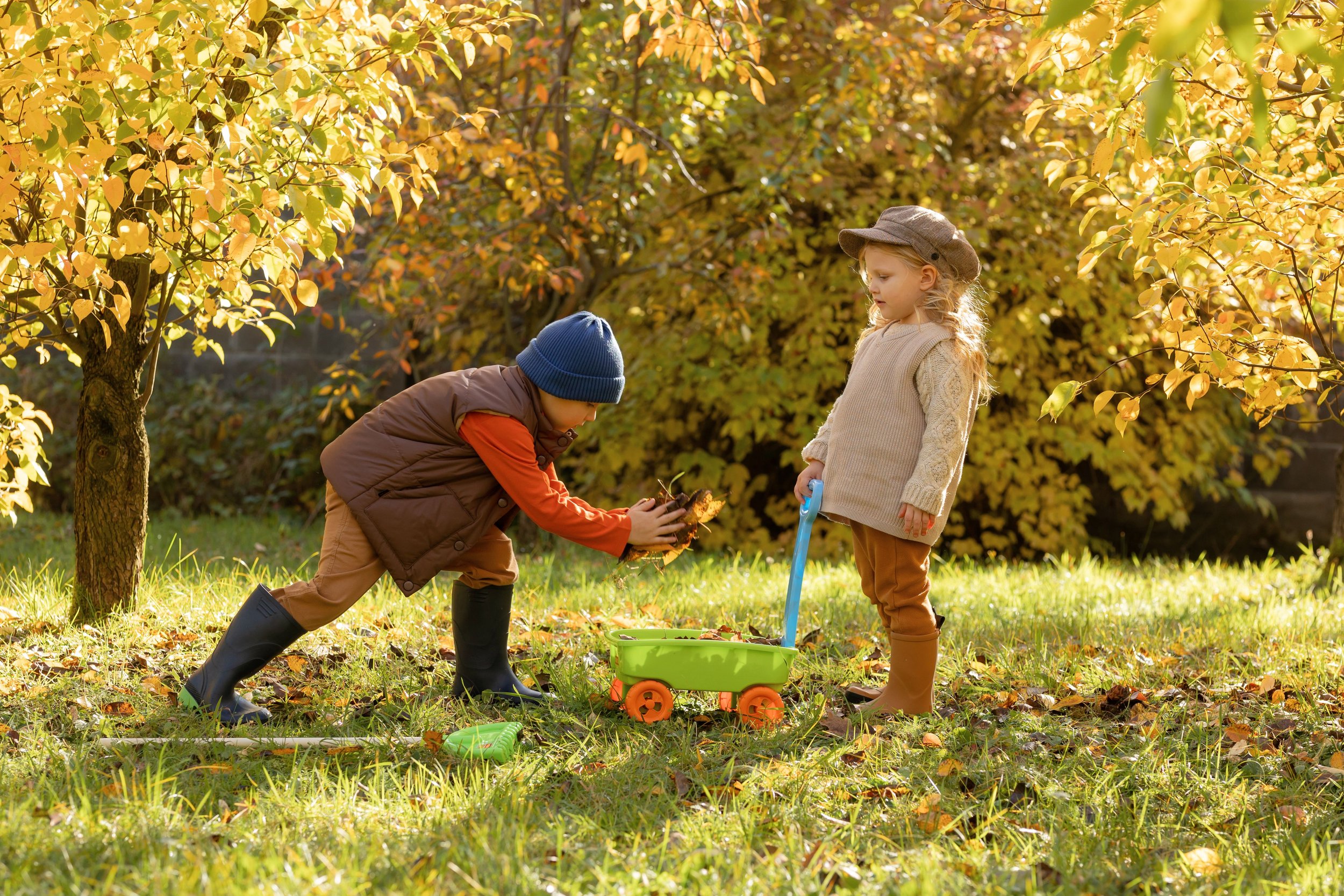
While there is no guaranteed way to prevent myopia, research suggests that certain healthy vision habits may help reduce the risk of myopia development and support overall eye health. Studies have shown that children who spend more time outdoors may be less likely to develop myopia, and outdoor activity may also help slow its progression in some children.
In addition, taking regular breaks from close-up activities such as reading, homework, and screen use can help reduce eye strain and encourage healthier visual habits. Building these simple daily routines early can help children develop lifelong habits that support learning, comfort, and healthy vision.

1. Spend More Time Outdoors
Why It Matters
Research suggests that children who spend more time outdoors may be less likely to develop myopia and may experience slower progression once myopia begins.
Recommended Goal
✅ Aim for 1–2 hours outdoors each day
✅ Encourage outdoor activity 5–7 days per week
✅ Every minute counts
Examples
Walking
Playground time
Sports
Biking
Hiking
Playing with friends outside
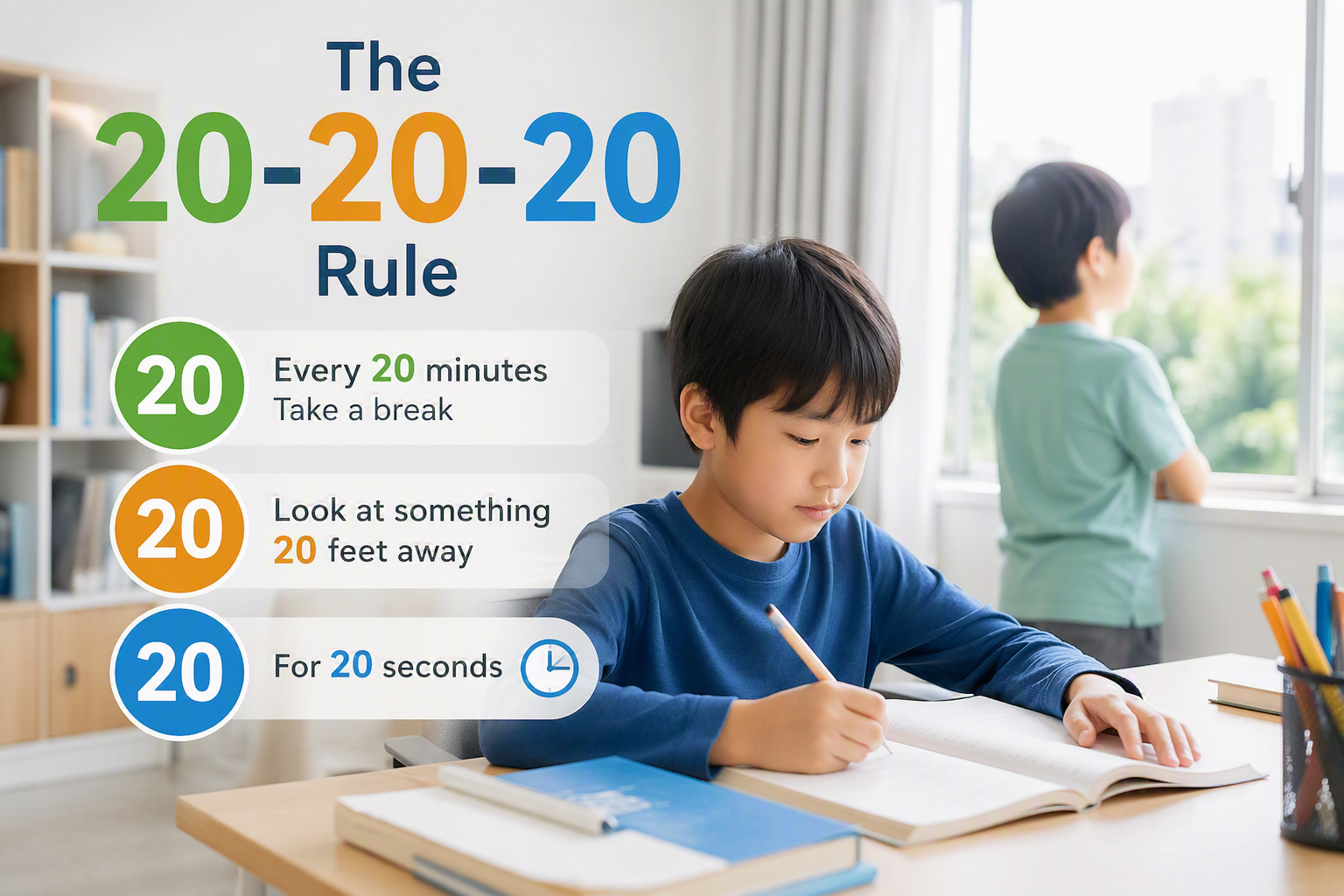
2. Follow the 20-20-20 Rule
What Is It?
Every 20 Minutes
Look at something 20 Feet Away
For 20 Seconds
Why It Matters
Taking regular breaks from prolonged close-up work may help reduce eye strain and encourage healthy visual habits.
Great For
✅ Homework
✅ Reading
✅ Tablets
✅ Phones
✅ Computers
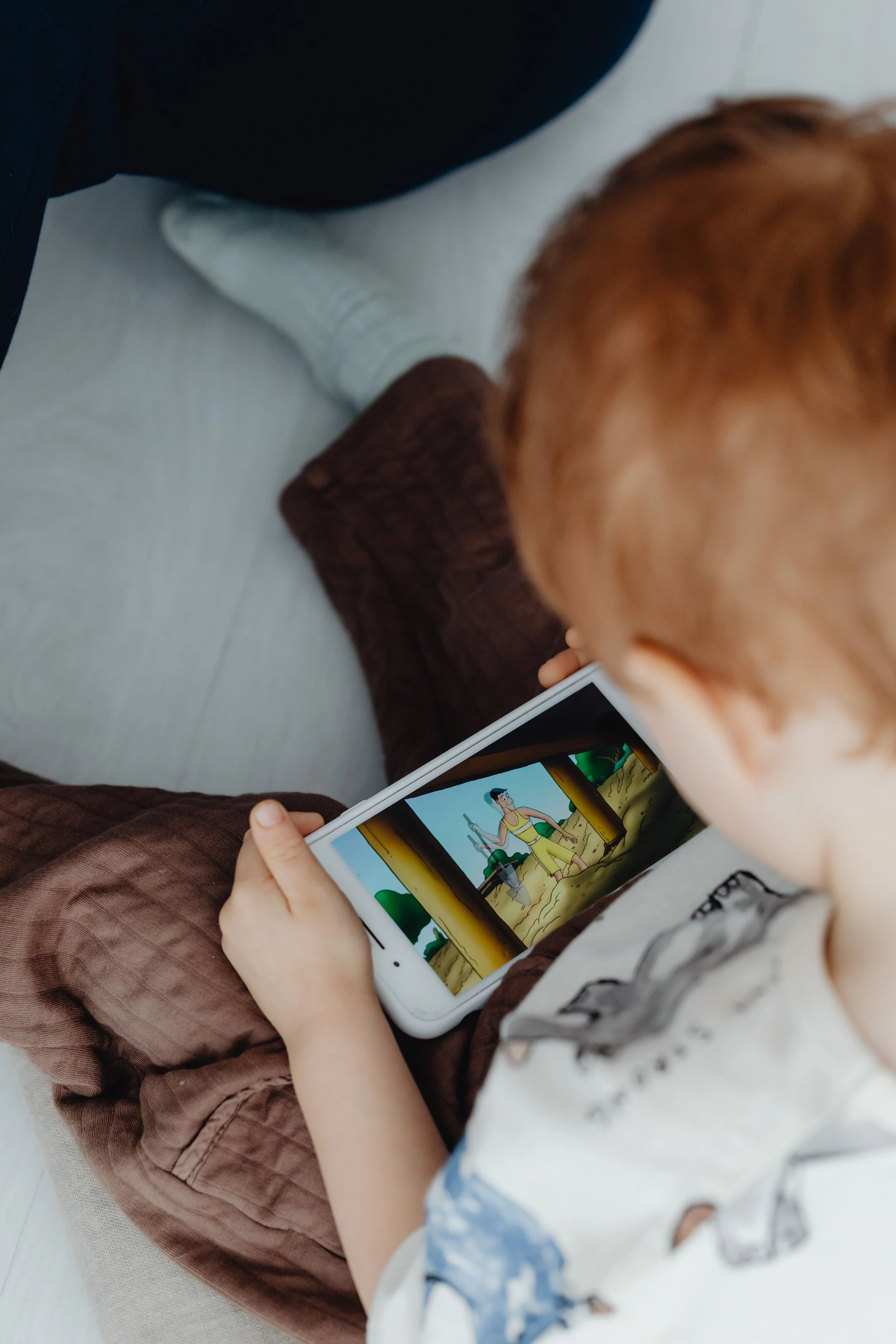
3. Create Healthy Screen Habits
Tips
✅ Take regular breaks
✅ Avoid extended screen sessions without pauses
✅ Hold screens at a comfortable viewing distance
✅ Use screens in well-lit rooms
✅ Limit recreational screen time when appropriate
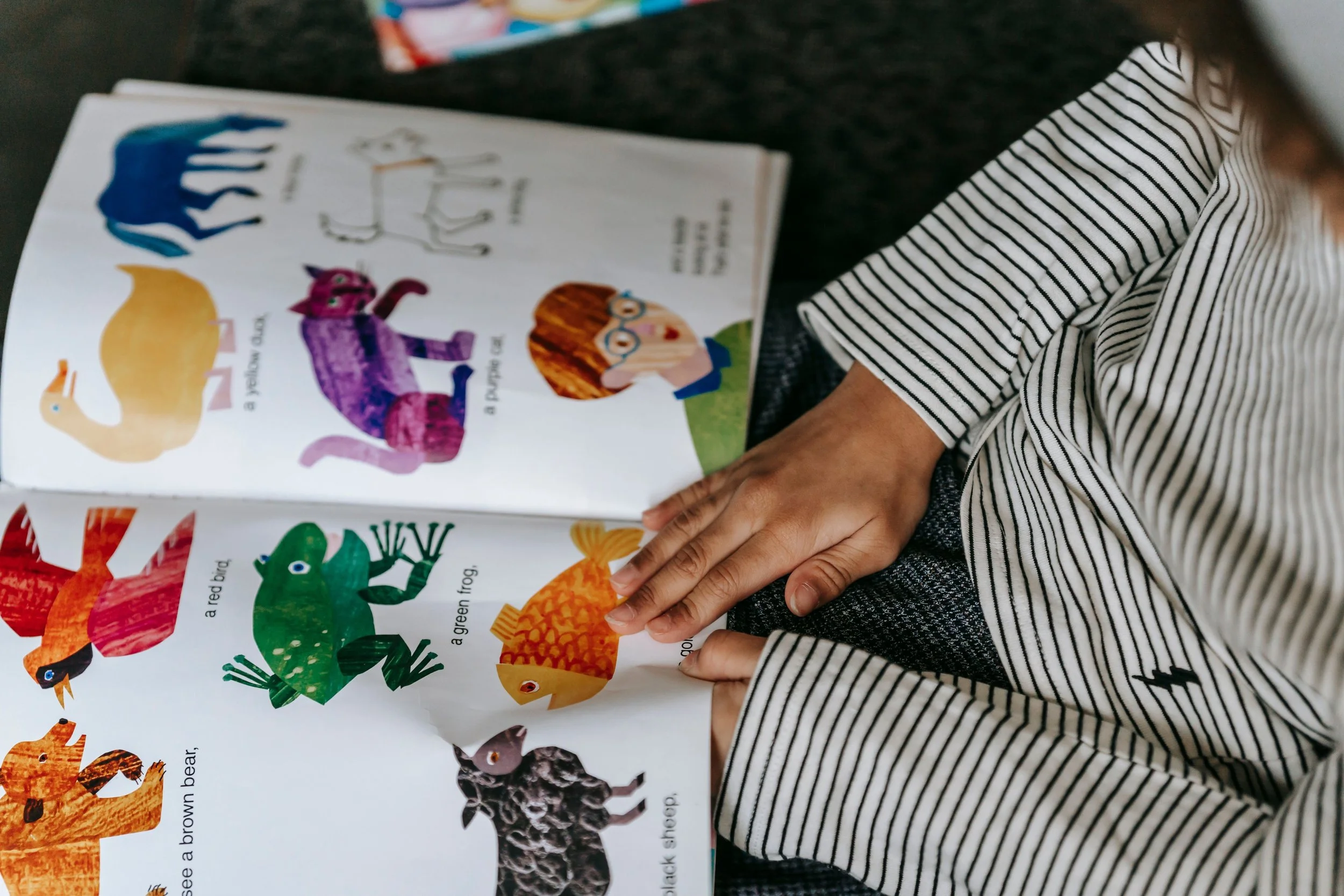
4. Read Smart
Healthy Reading Habits
✅ Read in good lighting
✅ Sit upright
✅ Keep books at a comfortable distance
✅ Take breaks during long study sessions
✅ Avoid reading for extended periods without looking away
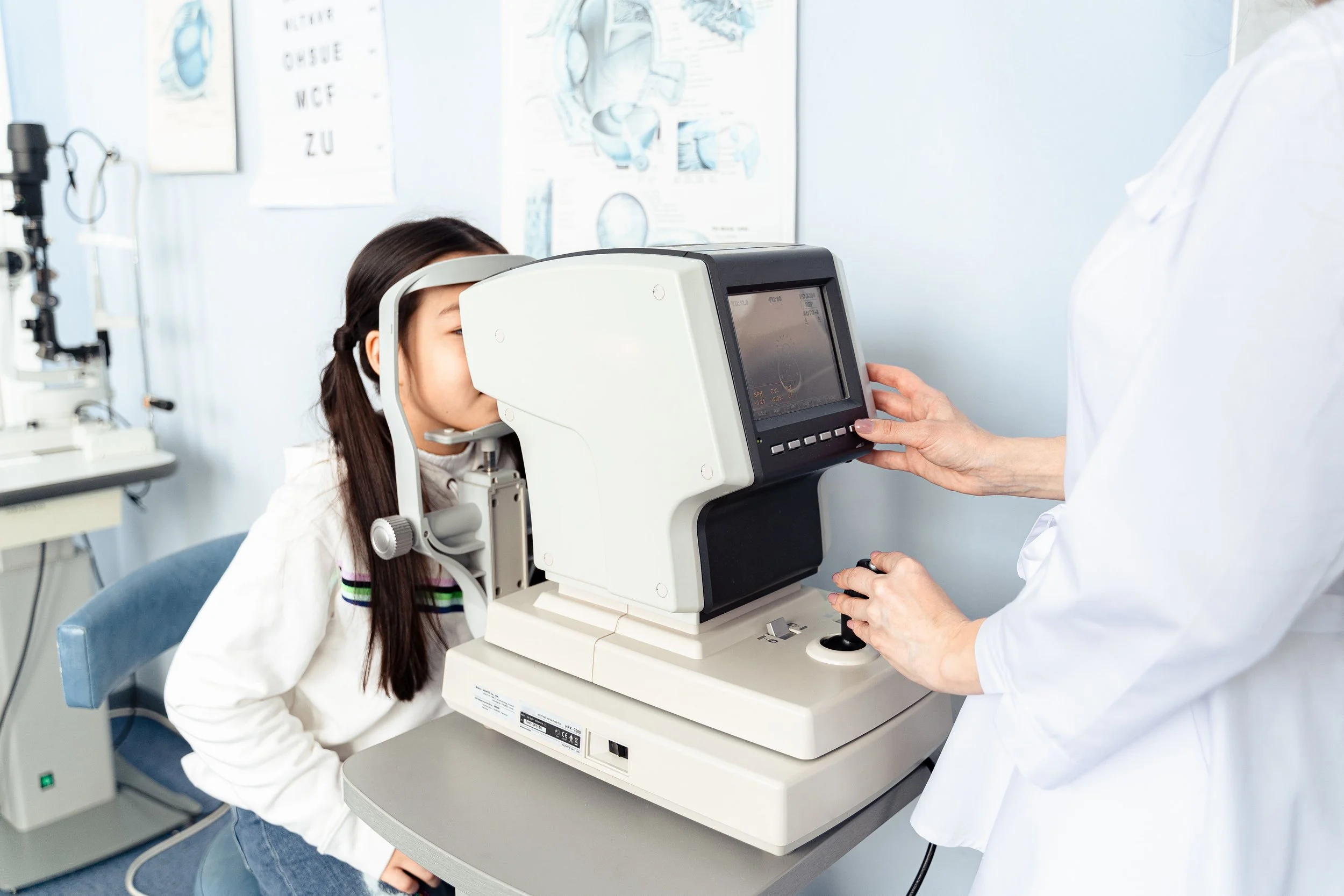
5. Schedule Regular Eye Exams
Why Eye Exams Matter
Children may not realize their vision is blurry.
Regular comprehensive eye exams can help identify vision problems early.
Watch For
✅ Squinting
✅ Sitting close to screens
✅ Holding books very close
✅ Complaints of blurry distance vision
✅ Headaches after reading
✅ Difficulty seeing the classroom board