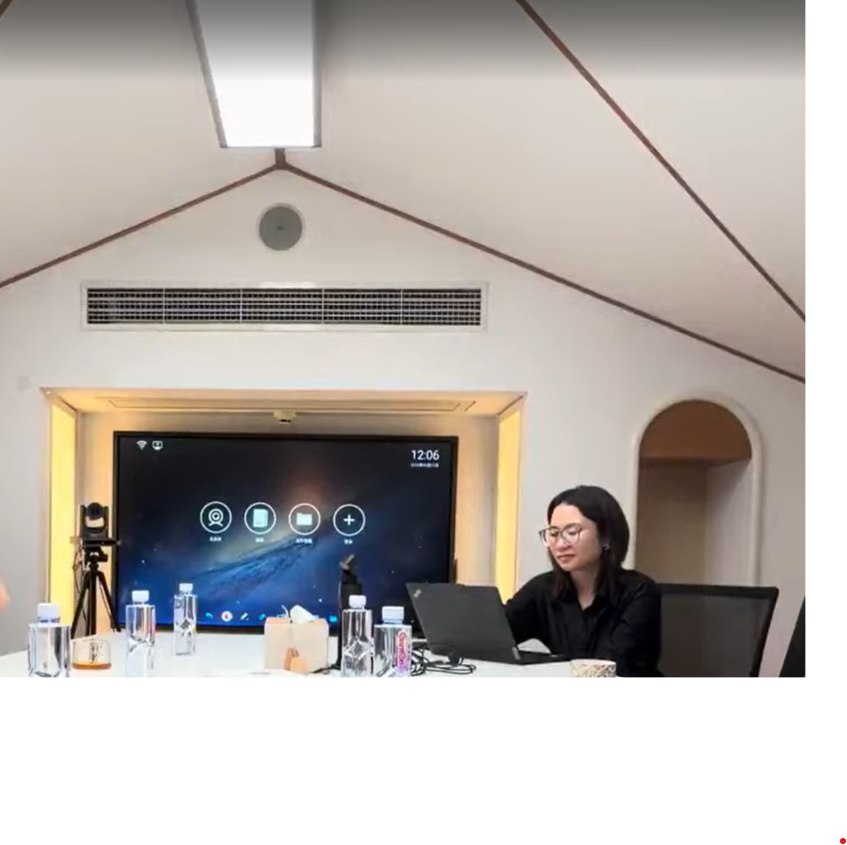
Interview with Dr. Xiangui (Hedy) He
Childhood Myopia, Prevention, and Children’s Vision Health
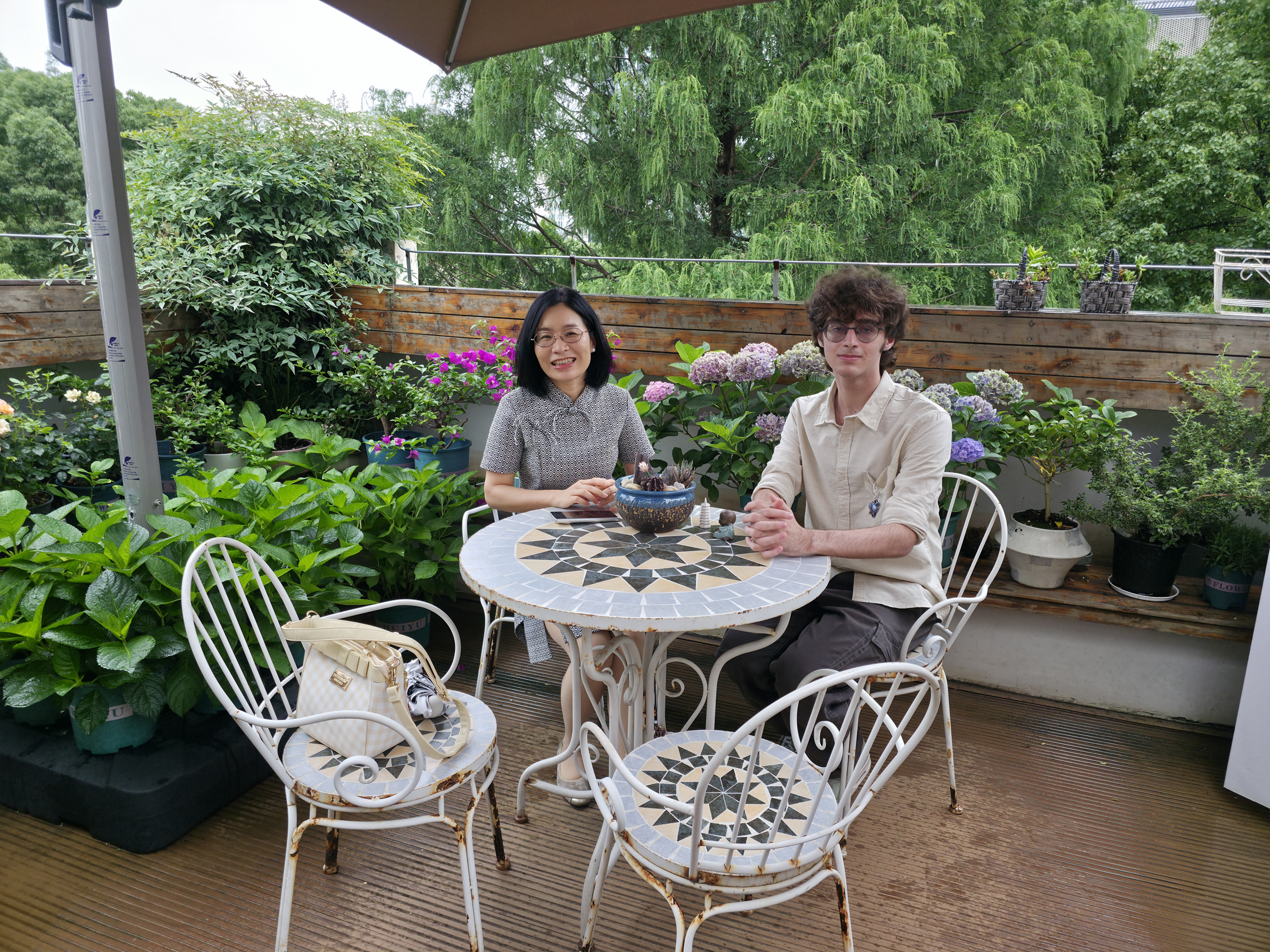
As part of the ClarityReach Myopia Awareness Project, Camden Niknam interviewed Dr. Xiangui (Hedy) He in China to learn more about childhood myopia, early prevention, treatment options, and what parents can do to protect children’s long-term vision.
Interview Overview
In this interview, Dr. Xiangui (Hedy) He explains myopia in simple terms and discusses why it is more serious than just needing glasses. She describes how myopia affects the shape of the eye, why early detection matters, and how parents can recognize warning signs in children.
The conversation also covers prevention strategies, including outdoor time, healthy study habits, regular eye exams, and the importance of seeing a specialist for personalized care. Dr. He also explains several current treatment options used to slow myopia progression, including defocus lenses, low-dose atropine eye drops, orthokeratology lenses, and other emerging therapies.
BELOW WATCH THE FULL INTERVIEW
Key Highlights
1. Myopia Means Distance Vision Becomes Blurry
Dr. He explained that children with myopia can usually see objects up close clearly, but objects far away become blurry. She noted that the professional medical term is “myopia,” while “nearsightedness” is easier for the public to understand.
2. Myopia Is More Than Just Glasses
Dr. He emphasized that myopia should not be viewed only as a need for thicker glasses. She explained that as myopia progresses, the eyeball can become longer, which may increase the risk of serious eye problems later in life.
3. The “Balloon” Example Makes Myopia Easier to Understand
One of the strongest explanations from the interview was Dr. He comparing the eye to a balloon. As myopia worsens, the eye stretches, and the back wall of the eye can become thinner, creating greater long-term risk.
4. Parents Should Watch for Early Warning Signs
Dr. He said parents should pay attention if children move closer to the television, struggle to see the classroom board, squint, rub their eyes, complain of headaches, or lose interest in outdoor activities because they cannot see clearly at a distance.
5. Eye Exams Should Start Early
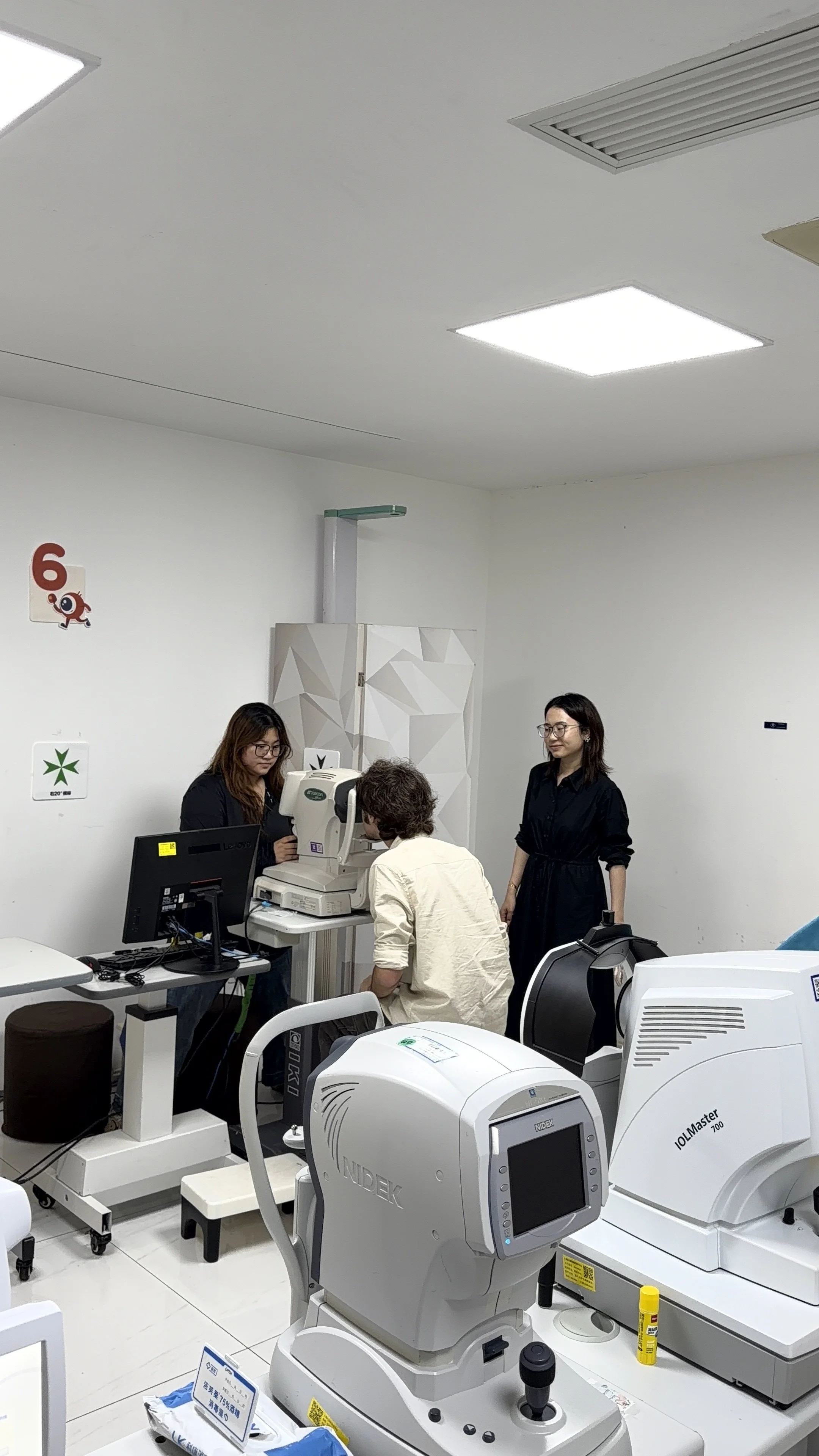
Dr. He recommended that children receive eye exams by at least age three, so parents and doctors can understand whether a child already has myopia, is close to developing it, or still has healthy vision reserve.
6. Outdoor Time Is One of the Most Important Prevention Tools
Dr. He identified lack of outdoor activity as one of the clearest risk factors for myopia. She said children should spend at least two hours outdoors per day, and preschool children should ideally spend even more time outdoors when possible.
7. Myopia Is Manageable
The strongest parent message from Dr. He was that myopia is manageable when families start early, act daily, and seek professional guidance.
Q&A
-
Myopia, also called nearsightedness, means a person can usually see nearby objects clearly, but objects far away appear blurry. Dr. He explained that "myopia" is the professional medical term, while "nearsightedness" may be easier for families and children to understand.
-
Dr. He explained that “myopia” is the professional medical term used in medicine, while “nearsightedness” is often easier for the general public to understand. For parent education and public awareness, using both terms together can be helpful.
-
Dr. He compared the eye to a balloon. As myopia progresses, the eyeball becomes longer. When the eye stretches too much, the back part of the eye, including the retina, can become thinner and more vulnerable. This is why controlling myopia early is important.
-
Dr. He explained that regular glasses can help a child see clearly, but they do not necessarily stop myopia from getting worse. If myopia continues to progress, a child may have a higher risk of high myopia and serious eye complications later in life, including retinal problems and permanent vision loss.
-
Parents should watch for children sitting closer to the television, having trouble seeing the board at school, squinting, rubbing their eyes, complaining of headaches, or having difficulty recognizing people from a distance. Dr. He also mentioned that some children may lose interest in outdoor activities because they cannot see far away clearly.
-
Dr. He recommended that children receive eye exams by at least age three. Early eye exams can help families understand whether a child already has myopia, is close to developing myopia, or still has healthy vision reserve.
-
Early detection gives families and doctors more time to monitor a child’s vision and consider prevention or treatment options before myopia progresses. Dr. He explained that identifying risk early allows families to act before the child develops more serious levels of myopia
-
Dr. He identified lack of outdoor activity as one of the clearest risk factors for myopia. She also discussed the role of heavy near work, such as long periods of reading or studying up close. She noted that the specific impact of digital screens is still being studied.
-
Dr. He recommended that primary and middle school students spend at least two hours outdoors each day. She also noted that preschool children should ideally spend at least three hours outdoors per day when possible.
-
Yes. Dr. He explained that outdoor time is one of the most important daily habits families can encourage. Spending more time outdoors may help reduce the risk of developing myopia, especially when started early in childhood.
-
arents can encourage outdoor activity, reduce long periods of close-up work, help children take breaks during reading or studying, and schedule regular eye exams. Dr. He summarized her advice as: start early, act daily, and see a specialist.
-
Dr. He mentioned the 20-20-20 rule as a helpful habit during close-up work. After about 20 minutes of near work, children should look about 20 feet away for about 20 seconds to give their eyes a short break.
-
Dr. He discussed several myopia control options, including defocus spectacle lenses, low-dose atropine eye drops, orthokeratology lenses worn at night, and low-level red-light therapy. She noted that families should work with a specialist to choose the right option.
-
Dr. He explained that treatment choice depends on the child’s age, how quickly myopia is progressing, family preference, cost, and professional medical guidance. She emphasized that a specialist can help create a personalized plan for each child.
-
Regular single-vision glasses can help a child see clearly, but Dr. He explained that they do not necessarily slow the progression of myopia. Children with progressing myopia may need additional management options recommended by an eye care specialist.
-
Dr. He’s main message is that myopia is manageable. Parents should start early with eye exams, act daily by encouraging outdoor time and healthy visual habits, and see a specialist for personalized guidance.
-
“Start early” means children should receive eye exams at a young age, ideally by at least age three. “Act daily” means families should build healthy habits, such as outdoor time and regular breaks from near work. “See a specialist” means families should seek professional guidance if a child shows signs of myopia or has progressing vision changes.
-
Dr. He encouraged students who spend long hours studying to take breaks during continuous near work, spend more time outdoors when possible, and continue monitoring their vision. She noted that even some university-age students may still experience myopia progression.

Key Takeaways for Parents
1. Schedule eye exams by age 3
2. Encourage at least 2 hours of outdoor activity daily
3. Watch for squinting, headaches, and difficulty seeing distant objects
4. Myopia is more than needing glasses
5. Early intervention can make a significant difference
ACKNOWLEDGEMENTS
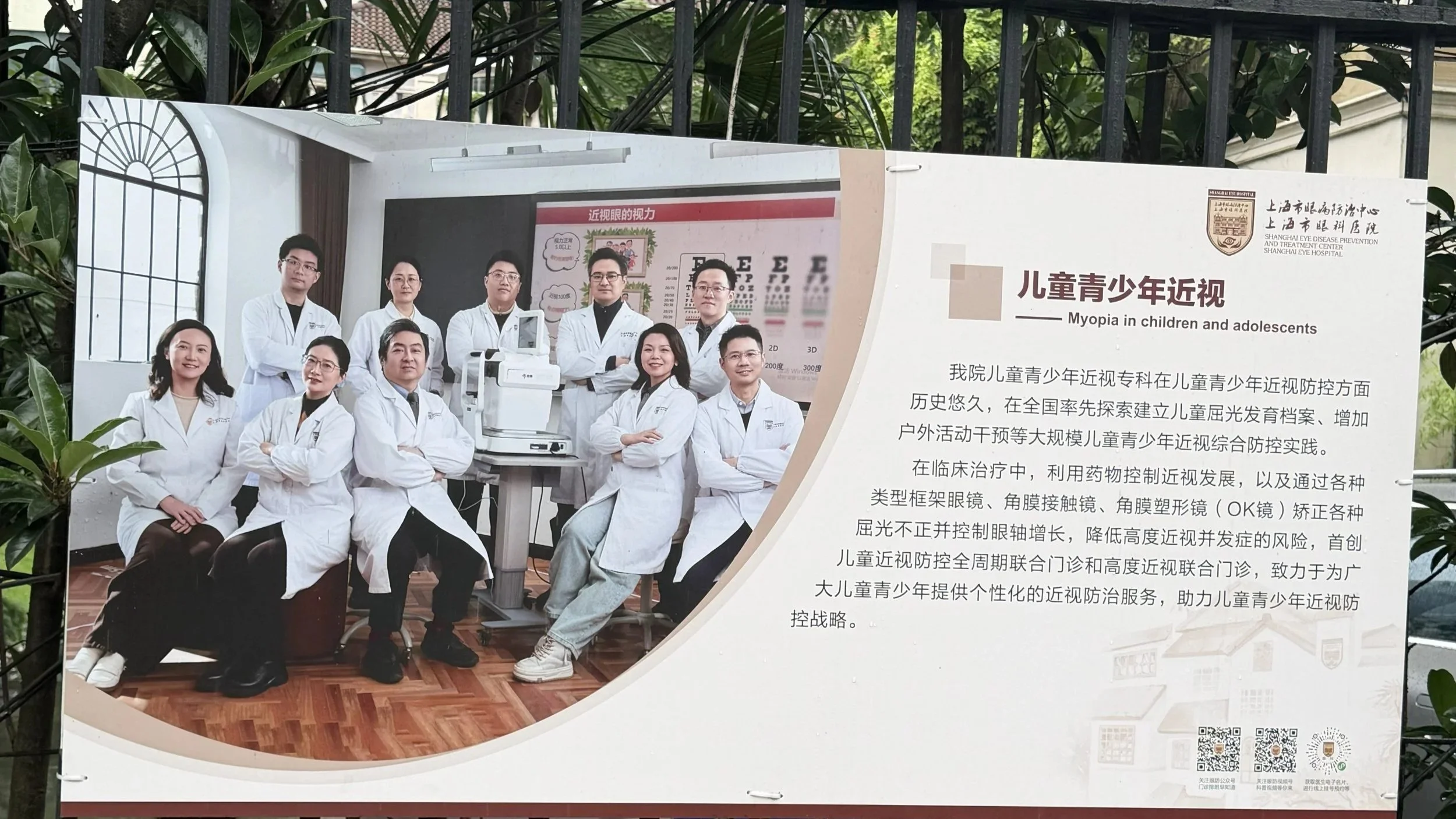
We would like to extend our sincere gratitude and appreciation to Dr. Aria Yang for her kindness, support, and hospitality during our visit and interview with Doctor Xiangui (Hedy) He. Dr. Yang played an important role in coordinating the meeting, welcoming us to the facility, escorting us to the conference room, and helping ensure the interview ran smoothly. She also participated in the discussion and generously assisted us throughout the visit. Her thoughtfulness, professionalism, and dedication made a lasting impression on our family, and we are truly grateful for her contributions to this meaningful experience.