
Managing Myopia in Children
If you or your child has been diagnosed with myopia (nearsightedness), you're not alone. Millions of kids around the world need help seeing distant objects clearly—like the classroom board, road signs, or friends across the playground.
The good news? There are several ways to help children see clearly. Some treatments simply correct vision (make things look clear right now), while others may help slow down how quickly myopia gets worse over time.
Important: Every child is different. The information below is for education only. Always talk with a licensed eye care professional (optometrist or ophthalmologist) about what's right for your child.
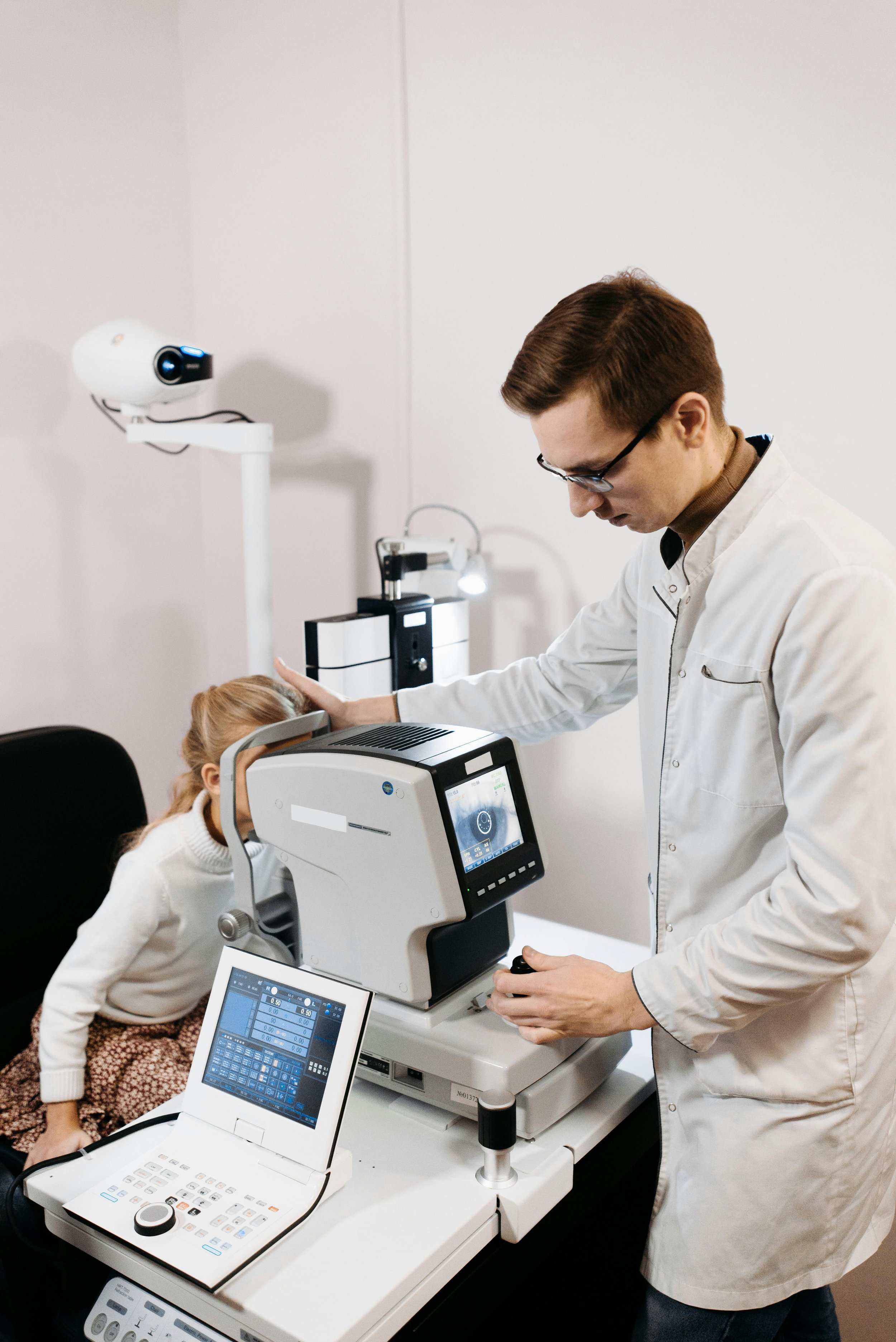
Types of Myopia management
Myopia treatments fall into two main categories:
1. Vision Correction
These help your child see clearly right now. They don't change how the eye grows or stop myopia from getting worse—they just make distant objects look sharp and clear.
Examples:
Eyeglasses
Standard contact lenses
2. Myopia Control (or Myopia Management)
These are special treatments designed to help slow down how quickly myopia gets worse. The goal is to reduce how much the prescription increases each year as your child grows.
Examples:
Low-dose atropine eye drops
Specialty contact lenses (multifocal or orthokeratology)
Increased outdoor time (lifestyle change)
For Students: Think of it this way—regular glasses are like turning up the volume on a TV so you can hear it better. Myopia control is more like preventing the volume from getting too low in the first place.
OPTION 1
EYE GLASSES
What They Are:
Eyeglasses have special lenses that bend light to help it focus correctly on the back of your eye (the retina). This makes distant objects look clear.
How They Work:
When you have myopia, your eye is slightly too long from front to back, which makes distant things look blurry. Glasses fix this by adjusting how light enters your eye.
Who Uses Them:
Children of any age with myopia
Kids who need vision correction for school, sports, and daily activities
Often the first option tried when myopia is diagnosed
What to Know:
Safe and simple
No touching the eye
Easy to use
Can be updated as prescription changes
Come in many styles and colors
Need to be worn all day for clear vision
Can get lost, broken, or scratched
Don't slow down myopia progression
May fog up or get in the way during sports
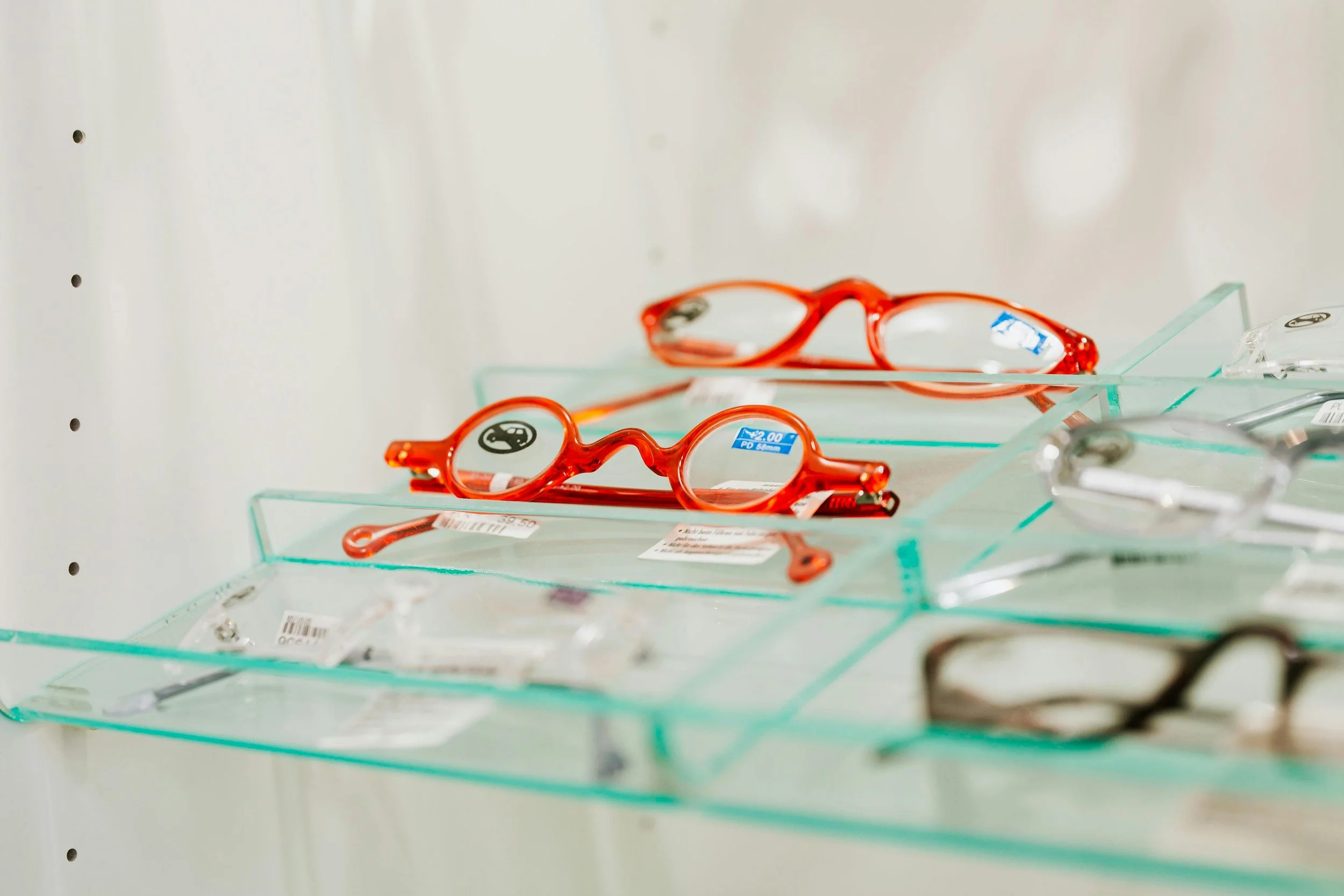
For Students: You'll need to wear your glasses anytime you need to see something far away—like reading the board, watching a movie, or playing sports. Many kids wear them all day, and some only wear them when needed (like during class).
For Parents: Glasses are a safe, proven way to correct vision. They don't prevent myopia from getting worse, but they ensure your child can see clearly and succeed in school and activities. Regular eye exams will track if the prescription needs updating.
Option 2
Standard Contact Lenses
What They Are:
Contact lenses are thin, curved lenses that sit directly on the surface of the eye. Like glasses, they correct vision by helping light focus properly.
How They Work:
Contacts do the same job as glasses—they adjust how light enters the eye so distant objects look clear. The difference is they move with your eye and provide a wider field of clear vision.
Who Uses Them:
Older children and teens (usually age 8 and up, depending on maturity)
Kids who are responsible enough to insert, remove, and clean lenses safely
Students who want vision correction without wearing glasses
What to Know:
Don't fog up or get in the way during sports
Provide clear vision in all directions (no frames blocking side vision)
Many kids feel more confident without glasses
Require touching the eye (can feel strange at first)
Need daily cleaning and proper storage
Risk of eye infection if not used properly
Cost more than glasses over time
Standard contacts may not slow myopia progression
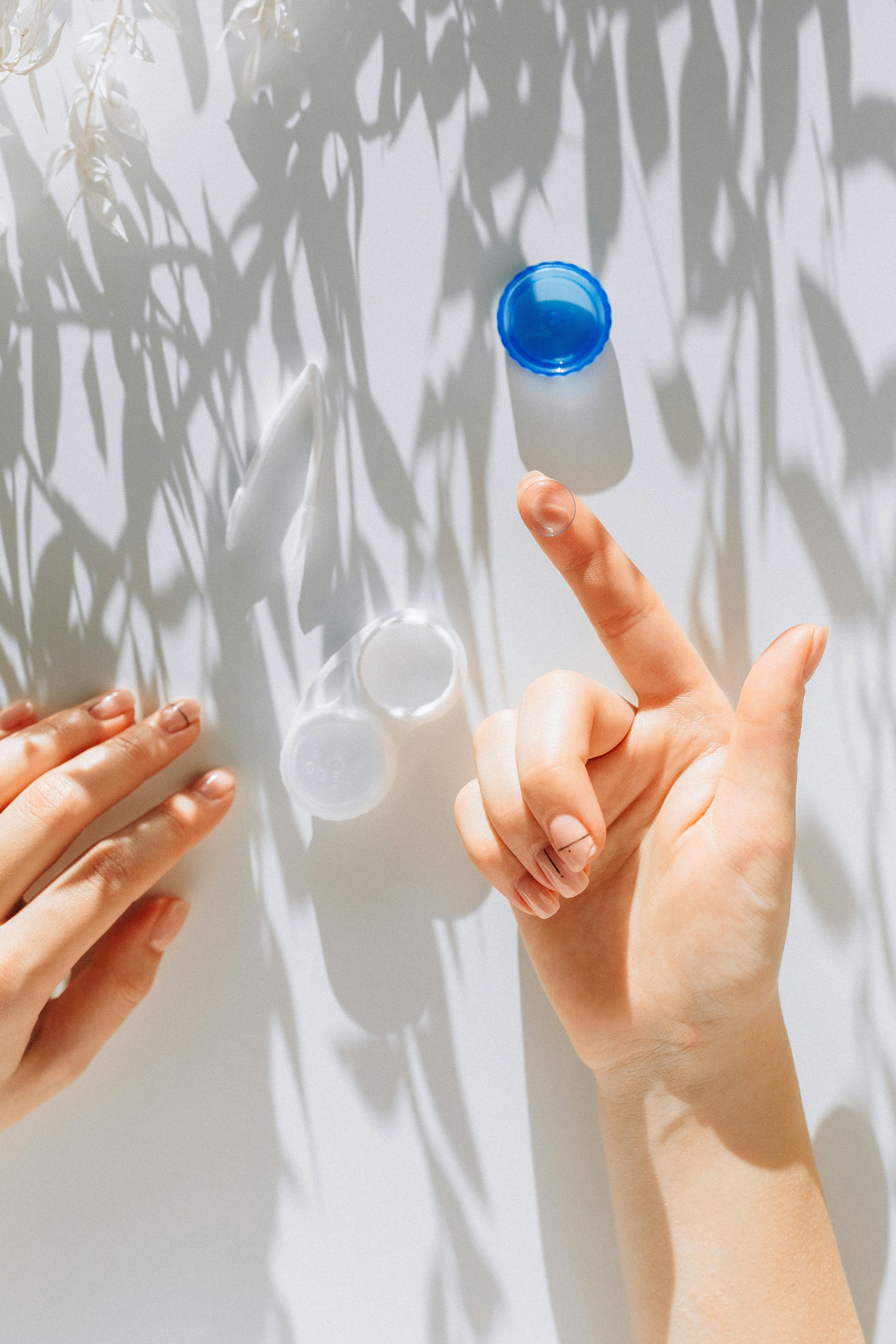
For Students: Contact lenses give you freedom during sports and activities. You'll need to learn how to put them in, take them out, and keep them clean every day. It takes practice, but most kids get the hang of it quickly.
For Parents: Contacts require responsibility and good hygiene. Your eye doctor will teach your child proper care. Make sure your child is ready to follow cleaning routines to avoid eye infections.
Option 3
Low-Dose Atropine Eye Drops
What They Are:
Atropine is a medication that has been used in eye care for many years. When used in very low doses (much weaker than the regular version), it may help slow how quickly myopia gets worse.
How They Work:
Scientists aren't 100% sure exactly how low-dose atropine works, but research suggests it may help prevent the eye from growing too long too quickly. This can reduce how much a child's prescription increases each year.
Who Uses Them:
Children between ages 5 and 18
Kids whose myopia is getting worse each year
Often used alongside glasses or contact lenses (atropine doesn't correct vision—it just may slow progression)
What to Know:
Easy to use (one drop in each eye, usually at bedtime)
Research shows it may slow myopia progression in many children
Generally well-tolerated with minimal side effects at low doses
Doesn't make vision clear (you still need glasses or contacts)
May cause mild sensitivity to bright light in some children
Requires daily use to be effective
Effects may decrease if treatment is stopped
Only available by prescription from an eye doctor
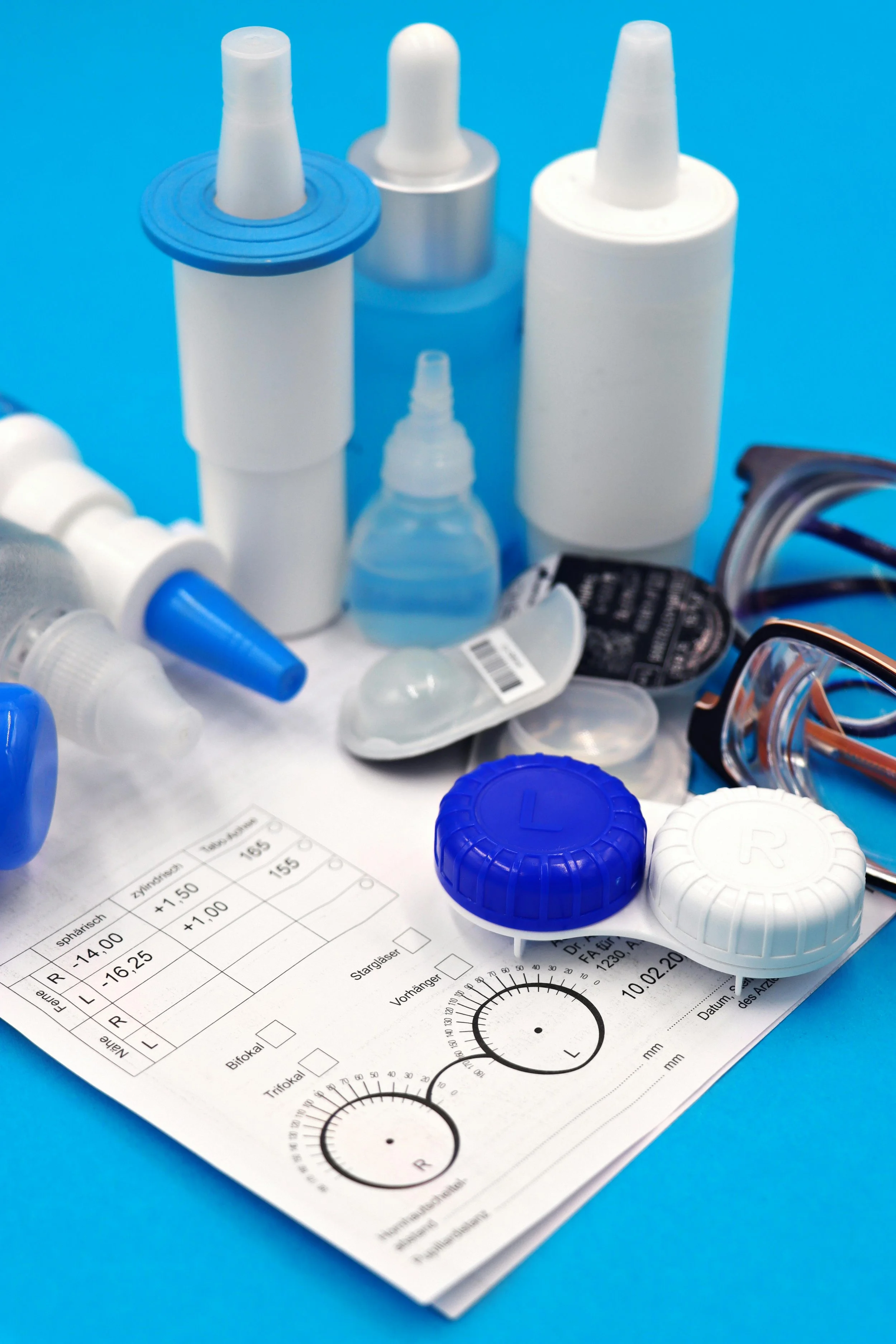
For Students: These drops are usually put in your eyes once a day, often at night before bed. They don't sting like some eye drops. You'll still wear your glasses or contacts during the day—the drops are working behind the scenes to help slow down how much your prescription changes.
For Parents: Low-dose atropine (typically 0.01% to 0.05% concentration) has been studied in children and shows promise in slowing myopia progression. Your eye doctor can discuss whether this is appropriate for your child, how long treatment might last, and what to watch for.
Option 4
Multifocal Contact Lenses
What They Are:
These are special contact lenses designed specifically to help slow myopia progression in children. They look like regular contacts but have a unique design that focuses light differently across the lens.
How They Work:
Multifocal lenses have different zones: the center helps you see clearly, while the outer areas create a special focus effect that may signal the eye to slow its growth. This is called "peripheral defocus."
Who Uses Them:
Children ages 6 to 12 (or older, depending on the brand)
Kids who are comfortable wearing contact lenses
Worn during the day, just like regular contacts
What to Know:
Correct vision AND may slow myopia progression at the same time
Work during normal daily wear (no special overnight routine)
Provide clear vision for school and activities
Require contact lens care and hygiene (same as standard contacts)
More expensive than regular contacts
Not all children respond the same way
Need regular follow-ups with eye doctor to monitor progress
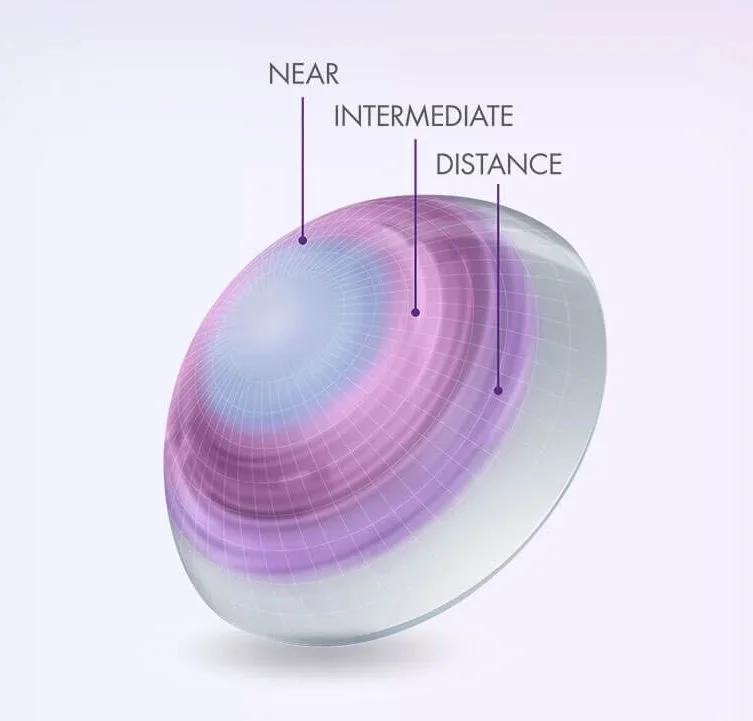
For Students: These look and feel like regular contact lenses, but they're specially designed to help keep your eyes from changing too much as you grow. You wear them during the day and take them out at night, just like standard contacts.
For Parents: Multifocal contact lenses designed for myopia control (brands like MiSight, Abiliti, and others) have been studied in children. They require the same care and responsibility as regular contacts. Your eye doctor can explain fitting, cost, and expected outcomes.
Option 5
Orthokeratology
What They Are:
Orthokeratology (Ortho-K) lenses are special rigid contact lenses that you wear only while sleeping. They gently reshape the front surface of the eye (the cornea) overnight, so you can see clearly during the day without glasses or contacts.
How They Work:
While you sleep, the lenses gently flatten the center of the cornea. When you wake up and remove the lenses, your eye holds this temporary new shape, giving you clear vision all day. The effect wears off, so you need to wear the lenses every night.
Beyond vision correction, ortho-K may also help slow myopia progression through the same peripheral defocus effect as multifocal lenses.
Who Uses Them:
Children and teens (often ages 6 and up, depending on the practice)
Kids who want clear vision during the day without wearing anything
Athletes and active students
Requires responsibility (nightly wear and cleaning)
What to Know:
Pros:
No glasses or contacts during the day
May slow myopia progression
Effects are reversible
Must be worn every night (or vision becomes blurry again)
Requires strict cleaning and care to prevent infection
Takes 1-2 weeks to see full effect
More expensive than glasses or regular contacts
Requires regular check-ups to ensure proper fitting
For Students: You put these lenses in before bed, sleep with them on, and take them out in the morning. During the day, you don't need to wear anything—you can see clearly all day! It's like magic, but it's actually science. If you skip a night, your vision will be blurry the next day until you wear them again.
For Parents: Ortho-K requires commitment and excellent hygiene. Your child must be responsible enough to wear the lenses nightly and follow strict cleaning protocols. It's highly effective for the right candidates. Your eye doctor will evaluate if your child's eyes are suitable and provide detailed training
Option 6
Increased Outdoor Time
What It Is:
This isn't a medical treatment—it's a lifestyle change. Research shows that children who spend more time outdoors (in natural daylight) have lower rates of myopia and slower progression.
How It Works:
Scientists believe that natural outdoor light may send signals to the eye that help regulate its growth. The exact reason isn't fully understood, but studies consistently show outdoor time helps.
Who It's For:
All children, especially those at risk for myopia or already diagnosed
Works best when started early and done regularly
What to Know:
Free, safe, and healthy for overall well-being
Benefits beyond vision (exercise, mental health, learning)
Easy to combine with other treatments
Requires consistent daily time outdoors (research suggests 1.5-2+ hours)
Doesn't correct vision (you still need glasses or contacts)
May be challenging with busy schedules or weather
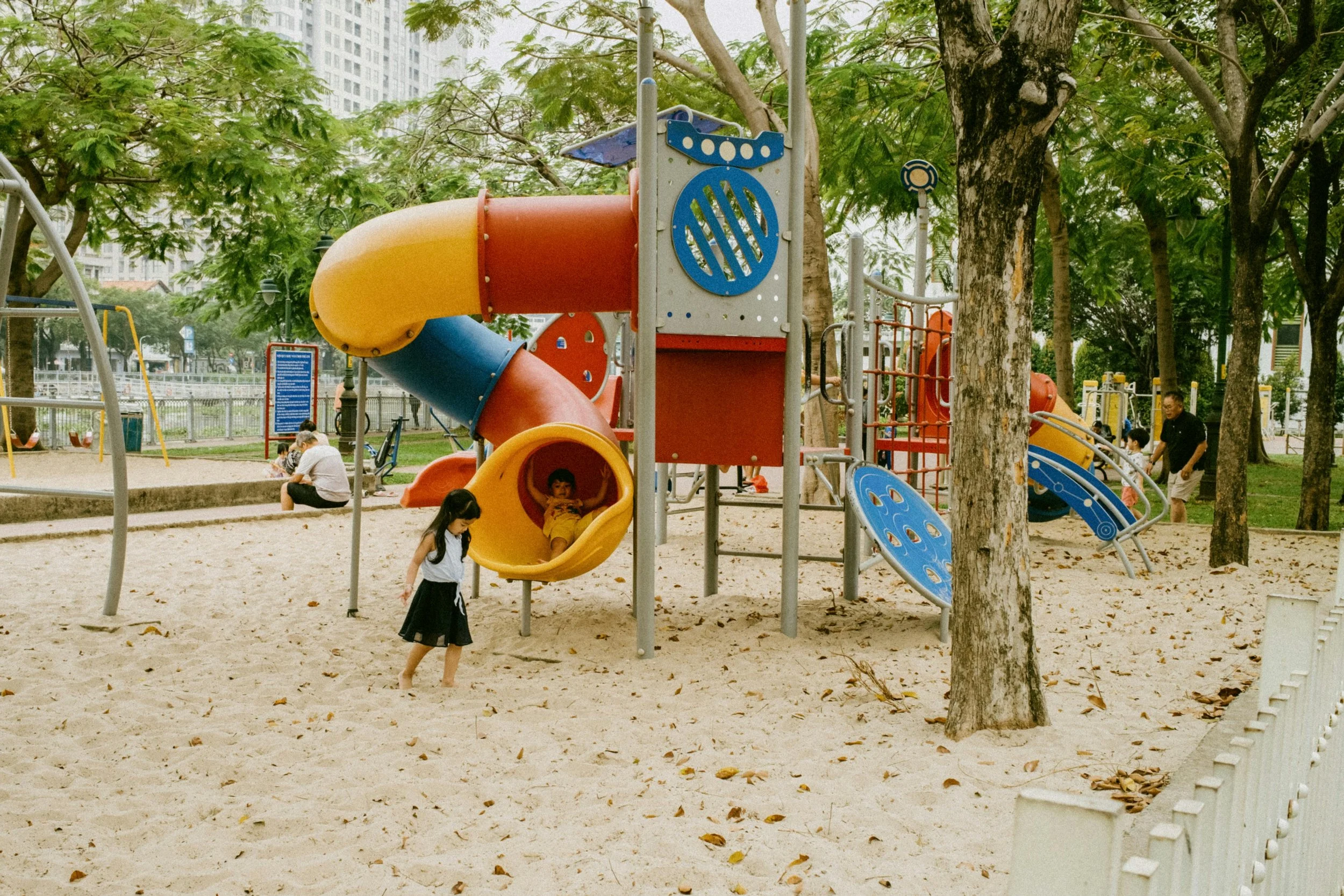
For Students: Spending time outside—playing, walking, reading, or just hanging out—might help your eyes stay healthier. It doesn't replace glasses or other treatments, but it's something you can do every day that helps.
For Parents: Outdoor time is a simple, evidence-based step you can take now. Aim for 90 minutes to 2 hours daily. Recess, after-school play, sports, and family walks all count. It doesn't cure myopia, but research shows it may slow progression.
Comparing Your Options
📚 Note for Families: This is an educational overview only. Results vary by individual, and not every option is right for every child. Always talk with a licensed eye care professional (optometrist or ophthalmologist) about what's best for your child's specific needs.
How Do Doctors Decide What to Recommend?
Eye care professionals consider many factors when discussing myopia management with families
For Parents: Come to your child's eye exam with questions. Ask what the doctor recommends and why, what results to expect, how long treatment might last, and what the costs are. A good eye doctor will explain options clearly and help you make an informed decision together.
Questions to Ask Your Eye Doctor
Bring these questions to your child's next appointment:
About Your Child's Eyes:
How much has my child's prescription changed since the last visit?
Is myopia progressing quickly, slowly, or staying stable?
What does my child's current prescription mean for their long-term eye health?
About Treatment Options:
Which myopia control options do you think would work best for my child, and why?
What results can we realistically expect?
How long would my child need to use this treatment?
What are the risks or side effects?
How much does it cost, and does insurance cover it?
About Follow-Up:
How often should my child have eye exams while using this treatment?
What signs should I watch for at home?
When would we know if the treatment is working?
The Bottom Line
Myopia is very common in children, and there are more ways to manage it today than ever before. Some treatments simply help your child see clearly, while others may slow how quickly myopia gets worse over time.
No single treatment is "best" for everyone. What works for one child might not be right for another. The most important steps are:
Get regular comprehensive eye exams so myopia is detected early
Talk openly with your eye doctor about your child's needs and lifestyle
Understand your options so you can make informed decisions together
Follow the treatment plan consistently for the best chance of success
Encourage healthy habits like outdoor time and balanced screen use
For Students: If you have myopia, you're part of a huge group of kids around the world who wear glasses or contacts. The good news is there are lots of ways to help you see clearly and keep your eyes as healthy as possible as you grow. Talk to your parents and your eye doctor, ask questions, and don't be shy about how your eyes feel!
For Parents: You're doing the right thing by learning about myopia and treatment options. Early awareness and proactive care can make a real difference in your child's vision and quality of life. Trust your eye care professional, stay informed, and know that you're not alone in this journey.
Important Reminders
✓ This Is Not Medical Advice
The information here is for education only. It doesn't replace a comprehensive eye exam or personalized advice from a licensed eye care professional. Every child's eyes and needs are different.
✓ Regular Eye Exams Are Key
If your child has myopia or is being treated for it, regular follow-up exams are important. Your eye doctor will:
Monitor how quickly myopia is changing
Check if treatments are working
Adjust prescriptions as needed
Watch for any eye health issues
✓ Treatment Takes Time
Myopia control treatments don't work overnight. It may take months to see if a treatment is slowing progression. Patience and consistency are important.
✓ Not Every Treatment Works for Every Child
Research shows these treatments help many children, but not all children respond the same way. Your eye doctor will work with you to find the best approach for your child.
WHAT EXPERTS ARE SAYING?
Sources & References
This page is informed by trusted medical and research organizations:
American Academy of Ophthalmology (AAO) – Myopia Control in Children
https://www.aao.org/eye-health/diseases/myopia-control-in-childrenNational Library of Medicine / PubMed Central – Peer-reviewed research on myopia management
https://pmc.ncbi.nlm.nih.gov/articles/PMC12151248/American Optometric Association (AOA) – Myopia Control
National Eye Institute (NEI) – Nearsightedness Research
Your child's vision matters. With the right information and the right care team, you can help protect it. 👁️