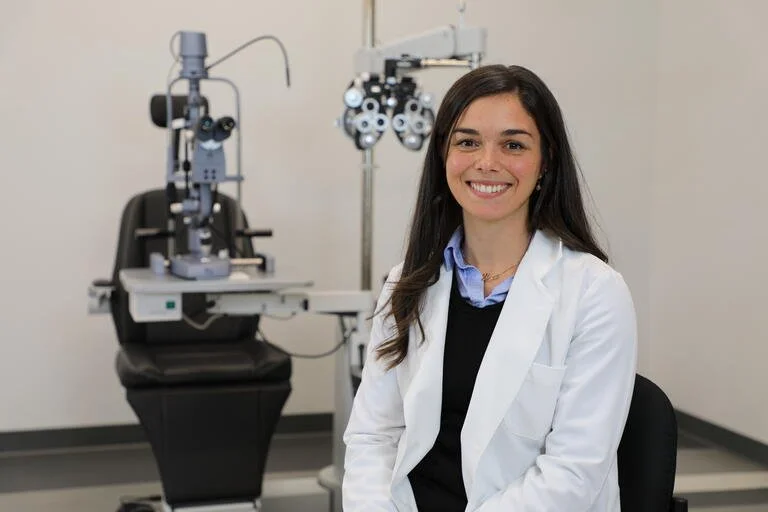
INTERVIEW WITH DR. SARAH SINGH
CHILDHOOD MYOPIA, EARLY INTERVENTION, AND VISION HEALTH
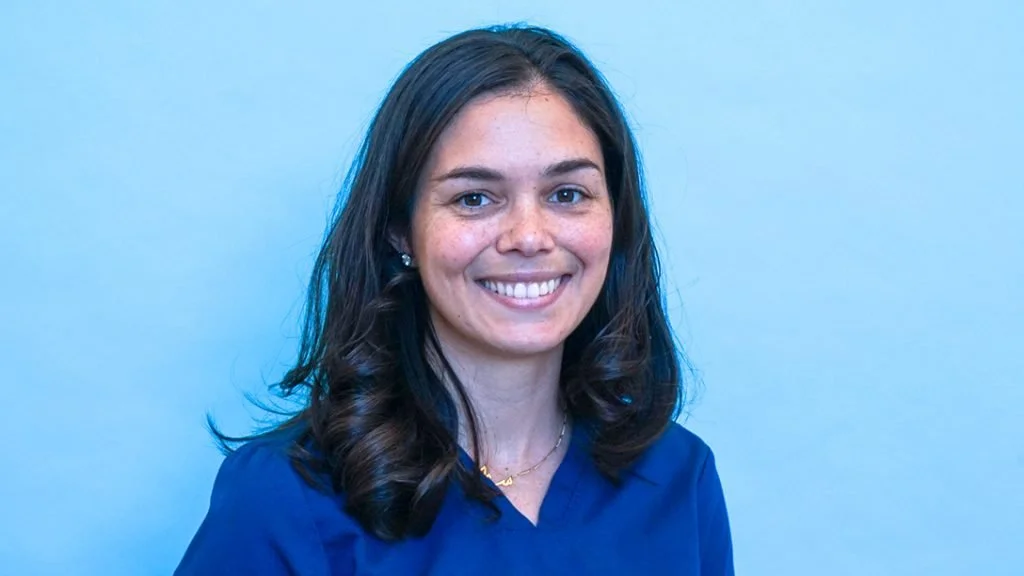
As part of the Clarity Reach Myopia Awareness Project, Camden and Daniel Niknam interviewed Sarah Singh, O.D., Ph.D., Assistant Professor of Clinical Optometry at UC Berkeley, Director of Research for the Berkeley Vision Institute, and Co-Director of the Berkeley Myopia Academy. During this conversation, Dr. Singh discussed childhood myopia, early detection, prevention strategies, outdoor activities, emerging research, and the importance of public awareness and evidence-based care.
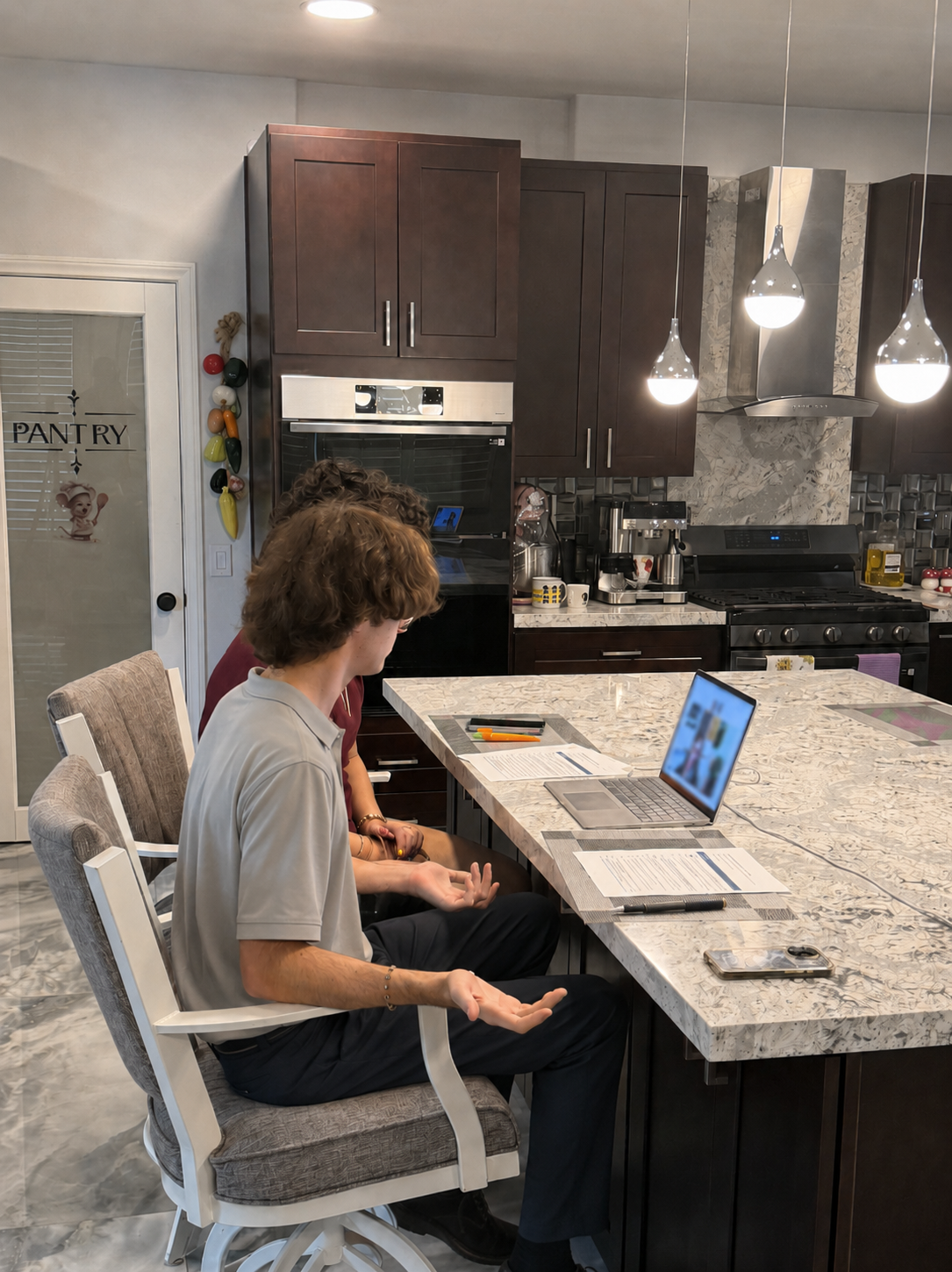
BELOW WATCH THE FULL INTERVIEW
1. MYOPIA SHOULD BE TREATED AS A DISEASE, NOT JUST A NEED FOR GLASSES
Dr. Singh described how modern eye care has shifted from simply correcting blurry vision to actively managing eye growth and reducing future risks associated with myopia. Treatments such as atropine, orthokeratology lenses, and multifocal contact lenses can help slow progression.
2. EARLY DETECTION IS CRITICAL
Children who develop myopia at younger ages are often at higher risk for severe myopia later in life. Early intervention can help reduce long-term complications and preserve vision health.
3. MANY CHILDREN DO NOT RECOGNIZE VISION PROBLEMS
Warning signs may include squinting, excessive blinking, eye rubbing, sitting very close to screens, or difficulty seeing distant objects. Young children often do not realize their vision is blurry because they have never experienced clear vision.
4. COMPREHENSIVE EYE EXAMS MATTER
Routine comprehensive eye examinations can identify problems that screenings may miss. Dr. Singh highlighted recommended eye examinations during infancy, early childhood, and before entering school.
Interview Overview
During this interview, Sarah Singh explained how the field of myopia management has evolved from simply prescribing stronger glasses to actively slowing myopia progression through evidence-based treatments and prevention strategies. She shared insights from her clinical practice, research, and teaching at UC Berkeley.
Dr. Singh emphasized the importance of early detection, routine eye examinations, and helping families understand that childhood myopia is more than just needing glasses. She discussed the growing public health impact of myopia, the role of outdoor time in prevention, and promising advances that may allow eye care professionals to identify at-risk children even before myopia develops.
The conversation also explored Project LENS, public awareness challenges, and practical actions parents can take to help protect children's long-term vision.
Key Highlights

5. THERE ARE EFFECTIVE WAYS TO SLOW MYOPIA
Modern approaches include atropine eye drops, multifocal soft contact lenses, orthokeratology lenses, and emerging spectacle technologies. Families should discuss all available options with their eye care provider.
6. OUTDOOR TIME REMAINS THE BEST PREVENTION STRATEGY
Reading, tablets, phones, and other close-up activities should be interrupted regularly. Dr. Singh recommends getting up and moving around every 20 to 30 minutes rather than remaining focused on near work for extended periods.
7. MYOPIA IS A GROWING PUBLIC HEALTH ISSUE
Myopia prevalence continues to increase worldwide. Dr. Singh discussed how public health interventions, particularly those encouraging outdoor activity, may help reverse these trends.
8. EDUCATION CAN REDUCE KNOWLEDGE GAPS
Many families still do not understand myopia management or the long-term health risks associated with high myopia. Public awareness campaigns and accessible educational materials can play an important role in prevention and treatment.
Q&A
-
My interest began during a low vision rotation at the California School for the Blind. While I enjoyed helping patients with visual impairments, I was particularly inspired by working with children. That experience led me to specialize in pediatrics, and later myopia management, where I saw firsthand how treatments such as orthokeratology, multifocal contact lenses, and atropine could improve long-term outcomes for children.
-
Parents should watch for frequent eye rubbing, excessive blinking, squinting, sitting very close to screens, or difficulty seeing distant objects. Eye misalignment, such as one eye turning inward or outward, can also signal a need for a comprehensive eye examination.
-
Routine eye examinations are recommended around six months of age, again between two and three years old, and before entering school. These visits help detect issues early and support healthy visual development.
-
Many parents assume nothing can be done because myopia runs in the family. While genetics are important, there are now multiple evidence-based treatments that can slow progression and reduce the risk of future complications associated with higher levels of myopia.
-
Children who become myopic at younger ages have more years available for progression. A child diagnosed at age six may ultimately develop much higher levels of myopia than a teenager who first becomes myopic later in life. Early intervention is therefore extremely important.
-
Premyopia is a condition in which a child does not yet meet the definition of myopia but has characteristics that indicate elevated risk. Researchers are actively studying whether treatments such as atropine can delay or prevent the development of myopia in these children.
-
Outdoor activity is one of the most effective and well-supported strategies for reducing the risk of developing myopia. Studies have shown that children who spend more time outdoors experience lower rates of myopia onset compared with children who spend less time outside.
-
Research suggests that children should spend at least two hours outdoors each day. This time can be accumulated throughout the day through activities such as walking to school, recess, sports, and family activities.
-
The most important factor is not necessarily the device itself but the duration of uninterrupted near work. Children should take breaks every 20 to 30 minutes, get up, move around, and give their visual system an opportunity to recover before resuming close-up activities.
-
Today's options include atropine eye drops, orthokeratology lenses worn overnight, multifocal soft contact lenses, and newer spectacle lens technologies. The best treatment depends on the individual child and family situation.
-
Myopia prevalence continues to rise worldwide. Higher levels of myopia are associated with increased risks of retinal disease, glaucoma, and myopic maculopathy. Some of these conditions can cause permanent vision loss later in life.
-
Yes. Dr. Singh discussed the experience in Taiwan, where increasing outdoor activity through public health initiatives contributed to a reversal in new cases of myopia after several years. This demonstrates that large-scale interventions can make a measurable difference.
-
Clear communication is essential. Educational campaigns, social media outreach, and school-based programs can help explain the difference between vision screenings and comprehensive eye examinations while making scientific information accessible and understandable.
-
Dr. Singh emphasized that myopia management is a rapidly evolving field with both scientific and commercial interests. Because new products and treatments continue to emerge, eye care professionals must carefully evaluate research and rely on evidence-based recommendations. Families should seek guidance from providers who use proven approaches supported by clinical research.
-
Spend more time outdoors. Increasing outdoor activity is one of the simplest, safest, and most effective actions families can take to support long-term eye health and help reduce the risk of myopia.
-
Schools can play an important role by increasing opportunities for outdoor activity and educating families about the benefits of healthy visual habits. Dr. Singh discussed public health efforts that successfully encouraged children to spend more time outdoors and emphasized that schools can help by maximizing outdoor time whenever possible and reinforcing the importance of regular eye care.
Key Takeaways for Parents
Schedule routine comprehensive eye examinations.
Do not assume children will recognize vision problems themselves.
Watch for squinting, eye rubbing, blinking, and sitting close to screens.
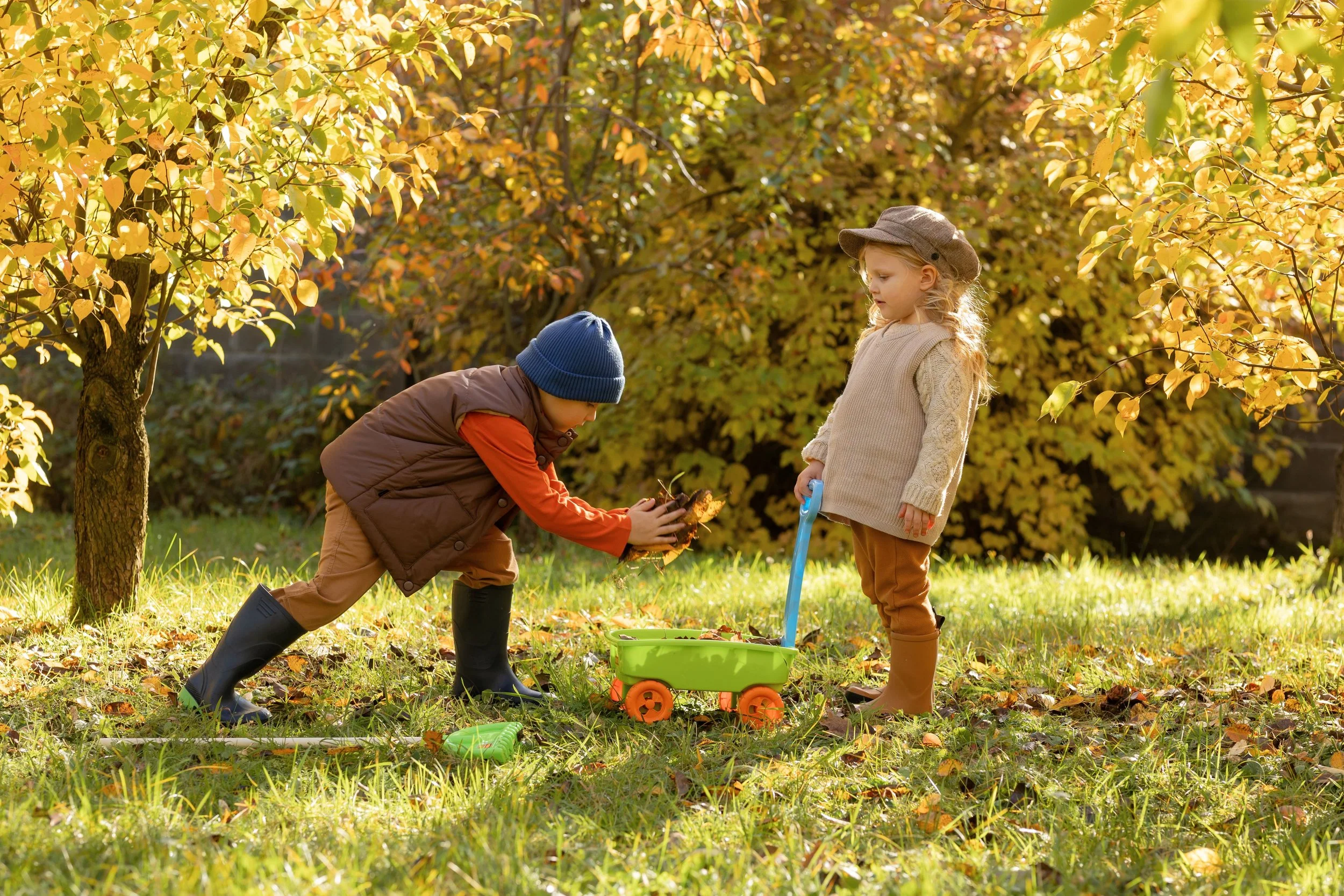
Encourage at least two hours of outdoor activity each day.
Help children take frequent breaks from near work.
Learn about modern myopia management options early.
Discuss myopia progression risks with your eye care provider.
Remember that genetics matter, but effective interventions exist.
Support healthy visual habits at home and school.
Early action can help reduce future vision complications.
"The best thing parents can do for their child's vision is encourage more time outdoors. Prevention is our most powerful tool." — Dr. SARAH SINGH
ACKNOWLEDGEMENTS
We would like to thank Dr. Sarah Singh for sharing her expertise, experience, and research with the Clarity Reach community. Throughout this interview, Dr. Singh provided valuable insights into childhood myopia, early intervention strategies, public health approaches, and emerging innovations in myopia management. Her commitment to evidence-based care, education, and improving access to vision health information reflects the mission that Clarity Reach seeks to advance.
We are especially grateful for her discussion of practical actions families can take today, including the importance of comprehensive eye examinations, outdoor activity, and early awareness of myopia risk factors. These insights will help parents, educators, healthcare professionals, and community leaders better support children's long-term vision health.