INTERVIEW WITH DR. ELIZABETH MUCKLEY
CHILDREN'S EYE HEALTH, PUBLIC AWARENESS, AND ACCESS TO VISION CARE
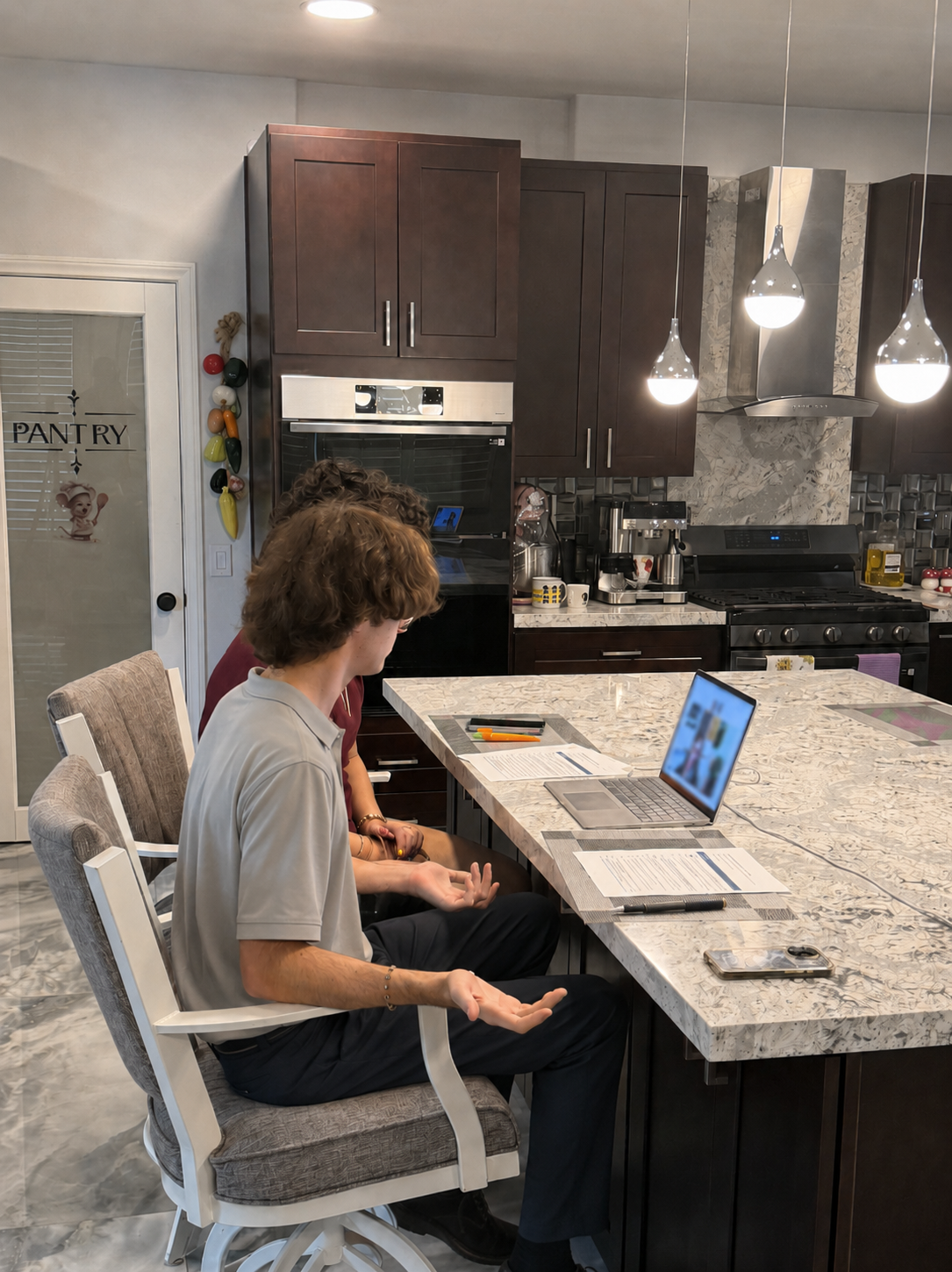
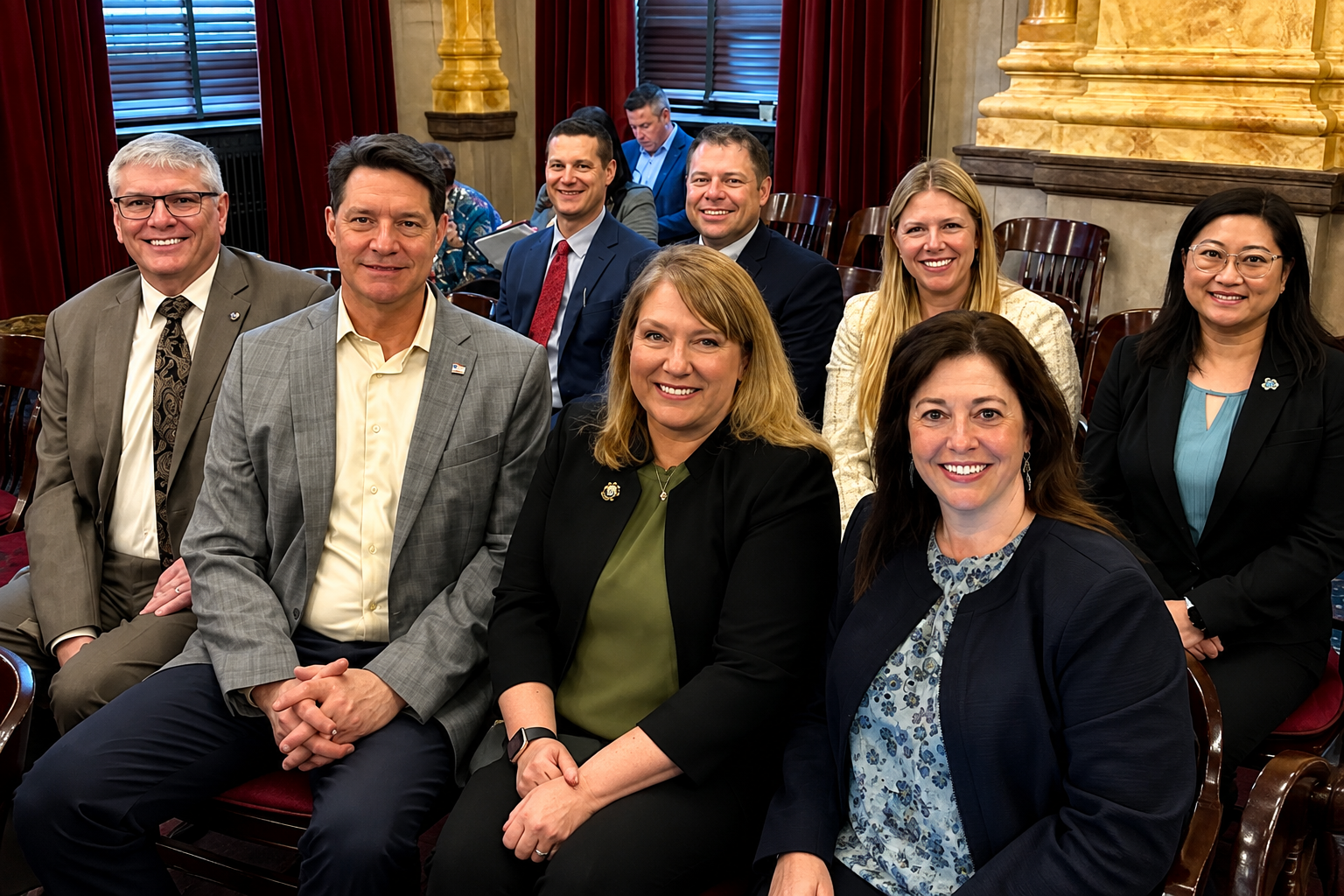
As part of the Clarity Reach Myopia Awareness Project, Camden and Donya Niknam interviewed Dr. Elizabeth Muckley, CEO and Executive Director of the Ohio Optometric Association, Clinical Associate Professor of Practice at The Ohio State University College of Optometry, and nationally recognized advocate for children's vision and public health. During this conversation, Dr. Muckley discussed the importance of comprehensive eye examinations, barriers preventing children from receiving follow-up care after vision screenings, public awareness challenges, and opportunities to improve access to vision care across the United States.
1. MANY CHILDREN DO NOT REALIZE THEY HAVE A VISION PROBLEM
Dr. Muckley shared her personal experience of developing myopia as a child and not realizing she could not see the classroom board. Because vision changes often occur gradually, many children assume their vision is normal and may not report problems.
2. SCREENINGS ARE IMPORTANT, BUT THEY ARE NOT COMPREHENSIVE EYE EXAMS
School and pediatric vision screenings can identify some issues, but they do not detect every vision condition. Dr. Muckley stressed that comprehensive eye examinations remain essential for identifying problems that screenings may miss.
3. FOLLOW-UP CARE REMAINS A MAJOR CHALLENGE
Many children who fail school vision screenings never receive a complete eye examination. Dr. Muckley discussed programs in Ohio designed to reduce these gaps by bringing eye care services directly into schools.
4. NOT ALL ONLINE INFORMATION IS TRUSTWORTHY
Parents often rely solely on pediatric visits and may not realize children should receive routine eye examinations beginning at a young age. Increasing public awareness is necessary to improve early detection and treatment.
Interview Overview
During this interview, Dr. Muckley explains why many childhood vision problems remain undetected despite school screenings and routine pediatric care. She emphasizes that children often do not recognize when their vision has changed because vision loss usually develops gradually. Comprehensive eye examinations remain the most effective way to identify vision problems early.
Dr. Muckley discusses the growing public health challenge of childhood myopia and highlights the need for parents, schools, pediatricians, and eye care professionals to work together to improve awareness and ensure children receive appropriate follow-up care.
The conversation also explores how professional organizations can support public education, reduce misinformation, advocate for policy change, and improve access to vision care services. Drawing from decades of clinical experience and leadership, Dr. Muckley shares practical recommendations for strengthening children's eye health nationwide.
BELOW WATCH THE FULL INTERVIEW
Key Highlights

5. RESEARCH HELPS COMBAT MISINFORMATION
Evidence-based research is essential for building trust, improving healthcare decisions, and informing public education efforts. Dr. Muckley emphasized the importance of communicating accurate scientific information to families and policymakers.
6. MYOPIA MANAGEMENT OPTIONS ARE EXPANDING
Research conducted over the past decade has produced new approaches to slowing myopia progression. However, many parents remain unaware that treatment options exist beyond simply updating eyeglass prescriptions.
7. OUTDOOR ACTIVITIES MAY HELP REDUCE MYOPIA RISK
Dr. Muckley highlighted research suggesting that increased outdoor time may help slow myopia progression, although researchers continue to study the exact mechanisms involved.
Q&A
-
Children often adapt to vision problems without realizing anything is wrong. Comprehensive eye examinations can identify issues that screenings alone may miss.
-
Dr. Muckley recommends an eye examination during infancy and regular follow-up examinations throughout childhood to monitor visual development.
-
Many families face barriers including lack of awareness, transportation challenges, scheduling difficulties, insurance concerns, and uncertainty about the importance of follow-up care.
-
Parents play a critical role by scheduling eye examinations, learning about vision health, encouraging outdoor activity, and sharing information with other families.
-
Organizations can educate the public, collaborate with health departments, advocate for policy improvements, support research, and promote access to care.
-
Many eye diseases and vision disorders develop without pain or obvious symptoms. Public awareness helps families seek care before problems become more serious.
-
Students who are passionate about a health issue should share their personal stories, build partnerships with experts, use social media responsibly, and focus on educating others.
-
Dr. Muckley believes the healthcare system should improve access to routine eye care, increase public awareness, strengthen pediatric referrals, and reduce financial barriers to treatment.
-
Many parents believe that passing a school screening or pediatric screening means no vision problems exist. Dr. Muckley explained that screenings are valuable but do not replace a comprehensive eye examination.
-
A screening is designed to identify potential concerns, while a comprehensive eye examination evaluates the entire visual system and can detect problems not visible in basic screenings.
-
Dr. Muckley explained that legislators often connect strongly with personal stories from constituents. Real experiences help demonstrate how vision problems affect education, confidence, and long-term outcomes.
-
Dr. Muckley noted that many children who fail vision screenings never receive the recommended comprehensive eye examination. Programs that bring eye care services directly into schools can help reduce these gaps.
-
Research provides the evidence needed to build trust and combat misinformation. Dr. Muckley emphasized that evidence-based medicine helps ensure families receive accurate and reliable information.
-
According to Dr. Muckley, many of the tools used to slow myopia progression have become available only in recent years. Public awareness often takes time to catch up with scientific advances.
-
She encourages parents to make eye examinations part of every back-to-school checklist and to share what they learn with other families in their community.
-
Dr. Muckley believes social media allows students and patients to share their experiences, educate the public, and help bring awareness to important healthcare topics.

Key Takeaways for Parents
Schedule comprehensive eye examinations regularly, even if school screenings are passed.
Many children do not recognize changes in their vision.
Screenings and eye examinations serve different purposes.
Follow up promptly if a child fails a vision screening.
Ask your eye care provider about myopia management options.
Encourage outdoor activities and healthy visual habits.
Do not assume vision problems will always be obvious.
Early detection can prevent academic and developmental challenges.
Share vision health information with friends and family.
Children's eye health should be part of every back-to-school checklist.
"When kids don't communicate, they don't know when something is wrong. You just think something's normal. It happens so gradually that you don't realize you've got a vision problem because you've adapted."
— Dr. Elizabeth Muckley
ACKNOWLEDGEMENTS
We would like to thank Dr. Elizabeth Muckley for sharing her expertise and perspective on children's eye health, public awareness, and access to care. Her decades of clinical experience, leadership within organized optometry, and commitment to patient advocacy provide valuable insight into the challenges and opportunities facing children's vision care today. Through this interview, Dr. Muckley highlighted the importance of comprehensive eye examinations, evidence-based education, and collaborative efforts to ensure every child has access to the vision care they need to succeed.