
Interview with Dr. LISA OSTRIN
MYOPIA RESEARCH, OUTDOOR TIME, EARLY DETECTION, AND THE FUTURE OF MYOPIA PREVENTION
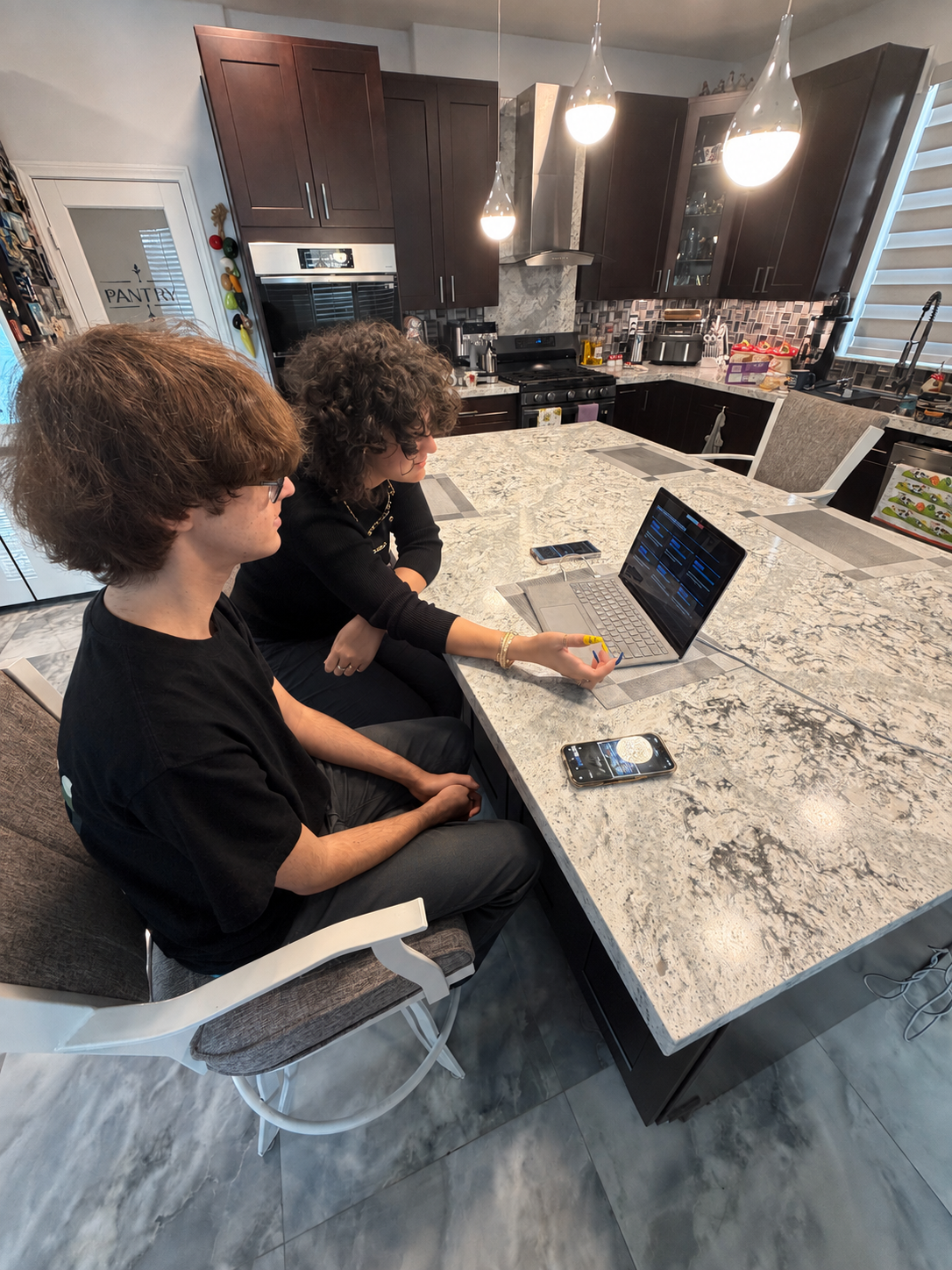
As part of the Clarity Reach Myopia Awareness Project, we interviewed Dr. Lisa Ostrin, OD, PhD, Dean of Graduate Studies and Research and Professor at the SUNY College of Optometry. Dr. Ostrin is an internationally recognized myopia researcher whose work focuses on understanding why myopia develops, how environmental factors influence eye growth, and how treatments may help slow myopia progression. She also serves as Chair of the International Myopia Conference (IMC) 2027.
1. MYOPIA IS MORE THAN JUST NEEDING GLASSES
Dr. Ostrin explains that myopia occurs because the eye becomes too long. While glasses correct blurry vision, increasing levels of myopia can increase the risk of future eye conditions and vision-threatening complications. Childhood is the most important period for monitoring and managing eye growth.
2. OUTDOOR TIME SHOWS PROMISE
Research increasingly suggests that outdoor time may help protect against myopia development. Current recommendations often encourage approximately 1.5 to 2 hours of outdoor exposure daily, although researchers continue to study the exact amount needed and why outdoor time may be protective.
3. RESEARCHERS STILL HAVE IMPORTANT QUESTIONS
Although outdoor time appears beneficial, researchers do not yet fully understand the biological mechanisms involved. Factors such as light intensity, wavelength, spectrum, and environmental exposure are actively being studied.
4. TECHNOLOGY IS ADVANCING MYOPIA RESEARCH
Wearable sensors now allow researchers to continuously measure light exposure, working distance, and visual behavior. These tools provide more accurate data than traditional parent questionnaires and may help identify which environmental factors truly influence myopia development.
Interview Overview
During this interview, Dr. Ostrin explains why childhood myopia is much more than simply needing glasses and discusses how excessive eye growth may increase the risk of serious eye disease later in life. She emphasizes that childhood represents a critical window during which families and eye care professionals can monitor vision and implement evidence-based interventions.
Dr. Ostrin also shares insights from her research on outdoor light exposure, wearable sensor technology, genetics, pre-myopia, and emerging treatment strategies. She discusses the challenges researchers face in understanding the precise causes of myopia while highlighting promising advances in myopia management and prevention research.
Throughout the conversation, Dr. Ostrin stresses the importance of early eye examinations, parent education, and evidence-based decision-making. She encourages families to focus on regular eye care, stay informed about available management options, and understand that slowing progression, rather than curing myopia, is the current goal of treatment.
BELOW WATCH THE FULL INTERVIEW
Key Highlights

5. SCREENS MAY NOT BE THE WHOLE STORY
Having two myopic parents remains one of the strongest risk factors for childhood myopia. However, the rapidly increasing prevalence of myopia worldwide suggests that environmental factors also play a major role. The interaction between genetics and lifestyle remains an active area of investigation.
6. GENETICS AND ENVIRONMENT BOTH MATTER
Having two myopic parents remains one of the strongest risk factors for childhood myopia. However, the rapidly increasing prevalence of myopia worldwide suggests that environmental factors also play a major role. The interaction between genetics and lifestyle remains an active area of investigation.
7. EARLY RISK CAN SOMETIMES BE IDENTIFIED
Dr. Ostrin explains how artificial intelligence may help providers analyze multiple factors including family history, prescription changes, eye measurements, and lifestyle habits. However, AI should be viewed as a clinical tool that supports providers rather than replaces professional judgment.
Q&A
-
Because myopia involves changes in eye growth that may increase future risk of eye disease, not simply blurry vision that can be corrected with glasses.
-
Current evidence suggests outdoor time may be protective, although researchers continue to study the precise mechanisms and optimal exposure levels.
-
Researchers have not reached a definitive conclusion. The relationship between screen use, near work, and outdoor activity remains complex.
-
Children with two myopic parents have increased risk, but environmental influences appear to contribute significantly as well.
-
Pre-myopia refers to identifying children who may be at elevated risk before they become nearsighted, creating opportunities for early intervention.
-
Current myopia management options include various optical interventions and low-dose atropine therapy that may help slow progression.
-
"Eye exams, regular eye exams, just so they're aware of the progression from year to year of how their children's eyes are developing." She added that many families still are not bringing their children in to see an optometrist or ophthalmologist regularly.
-
Explore optometry and vision science careers through shadowing, research experiences, and direct outreach to researchers working in areas of interest.
-
The conference brings together leading researchers and clinicians from around the world to share the latest evidence-based myopia research and clinical advances.
-
Dr. Ostrin explained that wearable sensors are allowing researchers to objectively measure outdoor light exposure, working distance, and visual habits throughout the day. These technologies provide far more precise information than traditional parent questionnaires and are helping researchers better understand environmental influences on myopia development.
-
Current research generally suggests that approximately 1.5 to 2 hours of outdoor bright light exposure per day may be beneficial. However, researchers are still studying the exact amount needed and whether factors such as light intensity, duration, or wavelength are most important.
-
According to Dr. Ostrin, researchers have not reached a definitive answer. Some studies suggest screen use and near work may contribute to myopia progression, while others find weaker associations. One challenge is separating screen time from reduced outdoor activity and other lifestyle factors.
-
Dr. Ostrin discussed a new nationwide study called the DONUT Study (Delaying the Onset of Nearsightedness), which is investigating ways to identify and intervene earlier in children at risk for myopia. Multiple research sites across the United States are participating in the effort.
-
While today's treatments are designed to slow progression, Dr. Ostrin noted that the long-term goal of myopia research is to identify the precise environmental factors responsible for myopia development so that future generations may be able to prevent it altogether. Researchers continue working toward this goal, although significant questions remain unanswered.
-
Dr. Ostrin emphasized that many parents do not fully understand what myopia is, what myopia management means, or how myopia differs from simply needing glasses. Improving awareness is a critical first step because parents must understand the condition before they can make informed decisions about treatment and monitoring.
-
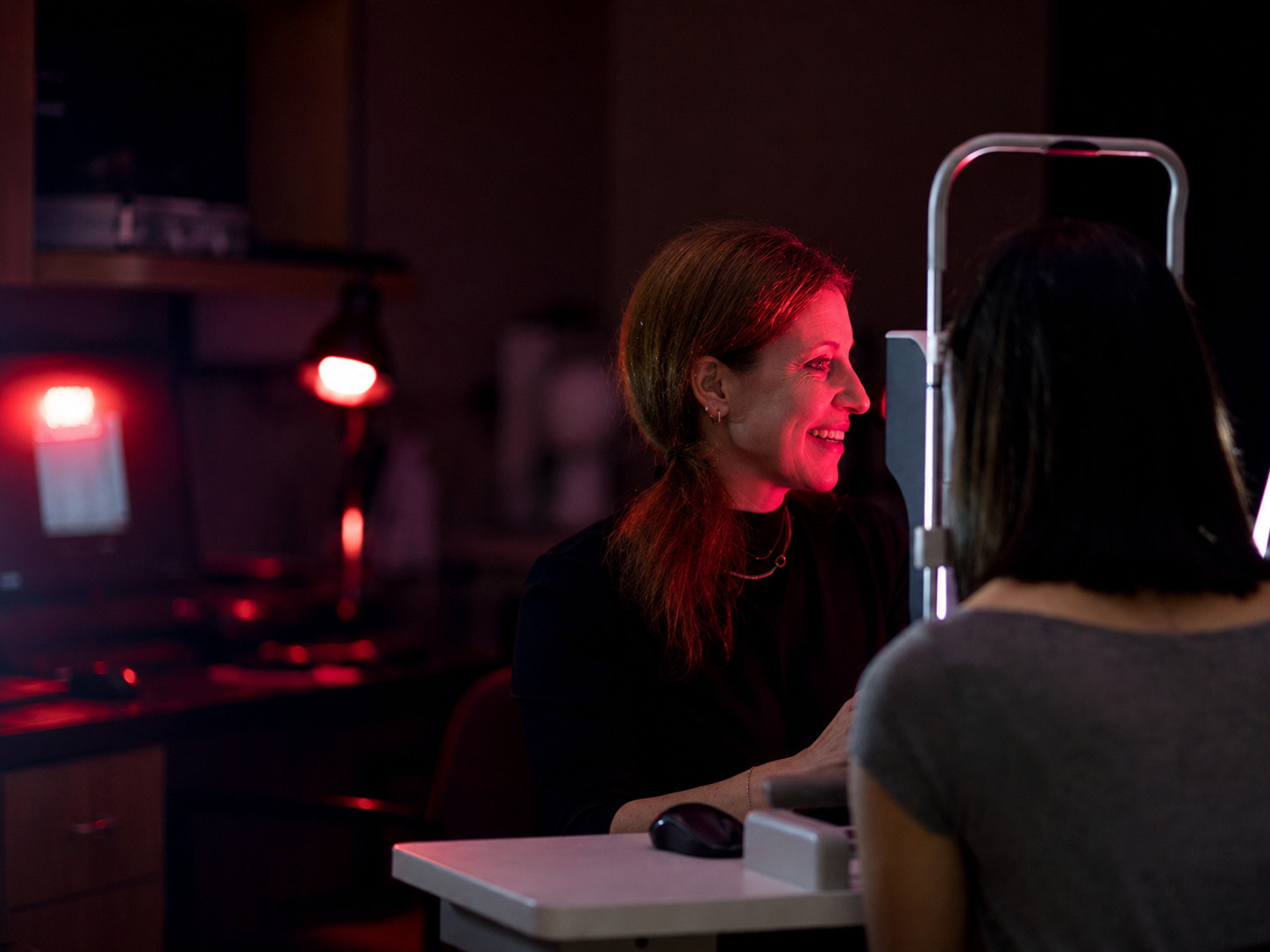
Dr. Ostrin stressed that regular comprehensive eye examinations are one of the most important things parents can do. She specifically noted the importance of dilated eye examinations because they provide the most accurate assessment of refractive error and allow eye care professionals to identify emerging problems early.
-
Students interested in vision science, optometry, or public health research should seek opportunities to shadow eye care professionals, connect with researchers, explore laboratory experiences, and become involved in research projects whenever possible. These experiences help build skills and expose students to potential career paths.

Key Takeaways for Parents
1. Understand that myopia is more than simply needing glasses.
2. Schedule regular comprehensive eye examinations.
3. Ask your eye care provider about myopia management options.
4. Encourage healthy outdoor activity when possible.
5. Do not assume screen use alone is responsible for myopia progression.
6. Learn your family's ocular and myopia history.
7. Understand that treatments aim to slow progression rather than cure myopia.
8. Discuss risk factors early if one or both parents have myopia.
9. Stay informed as new research continues to emerge.
10. Early awareness and intervention provide the greatest opportunity to protect long-term vision.
"Regular eye exams are one of the most important things parents can do so they understand how their children's eyes are developing and can identify issues early."
— Dr. LISA OSTRIN
ACKNOWLEDGEMENTS
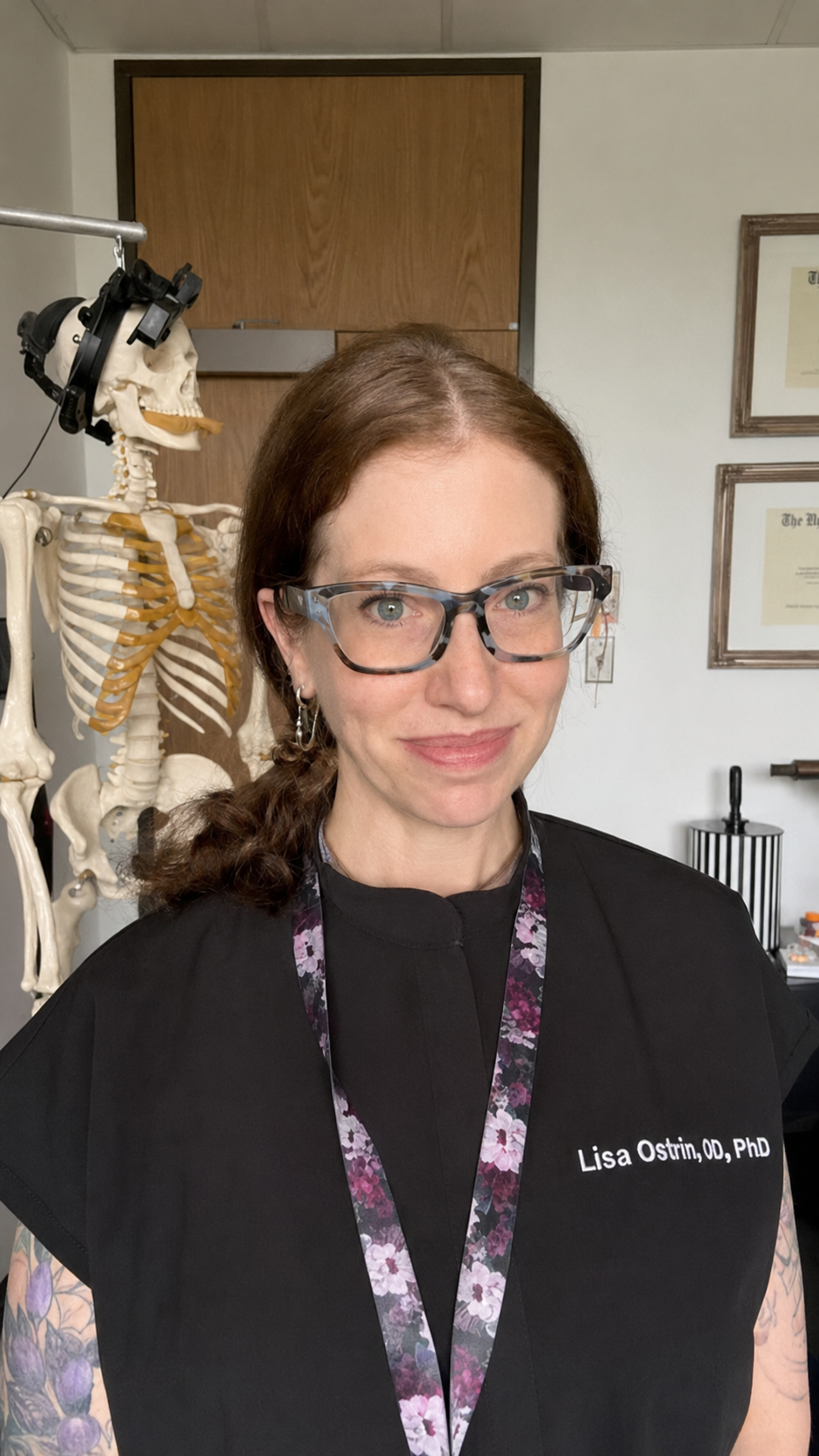
We would like to express our sincere gratitude to Dr. Lisa Ostrin, Dean of Graduate Studies and Research and Professor at the SUNY College of Optometry, for sharing her expertise and insights on childhood myopia, environmental risk factors, emerging research, and early intervention strategies. Her dedication to advancing the scientific understanding of myopia and improving children's vision health made this interview both informative and inspiring.
We also thank Dr. Ostrin for her encouragement of Clarity Reach's mission, her willingness to discuss current research developments, and her support for expanding public awareness of childhood myopia and evidence-based vision care.