INTERVIEW WITH DR. KEVIN CHAN
MYOPIA AS A PUBLIC HEALTH CRISIS, PARENT ACTION, AND CLOSING THE KNOWLEDGE GAP
As part of the Clarity Reach Myopia Awareness Project, we interviewed Kevin Chan, Senior Clinical Director at Treehouse Eyes and Medical Co-Editor of Review of Myopia Management. Dr. Chan discussed why childhood myopia should be treated as a medical condition, the importance of early intervention, how parents can identify trustworthy information, and the critical role of youth advocates in improving myopia awareness.
1. TIME IS THE MOST IMPORTANT FACTOR
Dr. Chan stressed that childhood myopia has a critical treatment window. Because children's eyes are still developing, delaying intervention can mean losing valuable opportunities to slow progression. He encouraged parents to act early rather than adopting a wait-and-see approach.
2. MYOPIA IS A MEDICAL CONDITION
Many families still view myopia as simply needing glasses. Dr. Chan explained that progressive myopia is associated with increased risks of retinal detachment, glaucoma, and myopic macular degeneration later in life. Understanding myopia as a medical condition helps families appreciate the importance of management and monitoring.
3. PARENTS ARE OFTEN OVERWHELMED
One of the most common concerns Dr. Chan hears from families is confusion. Parents often encounter conflicting information online and are unsure which treatments or recommendations are credible. He encouraged parents to discuss options with qualified eye care professionals and seek second opinions when needed.
4. NOT ALL ONLINE INFORMATION IS TRUSTWORTHY
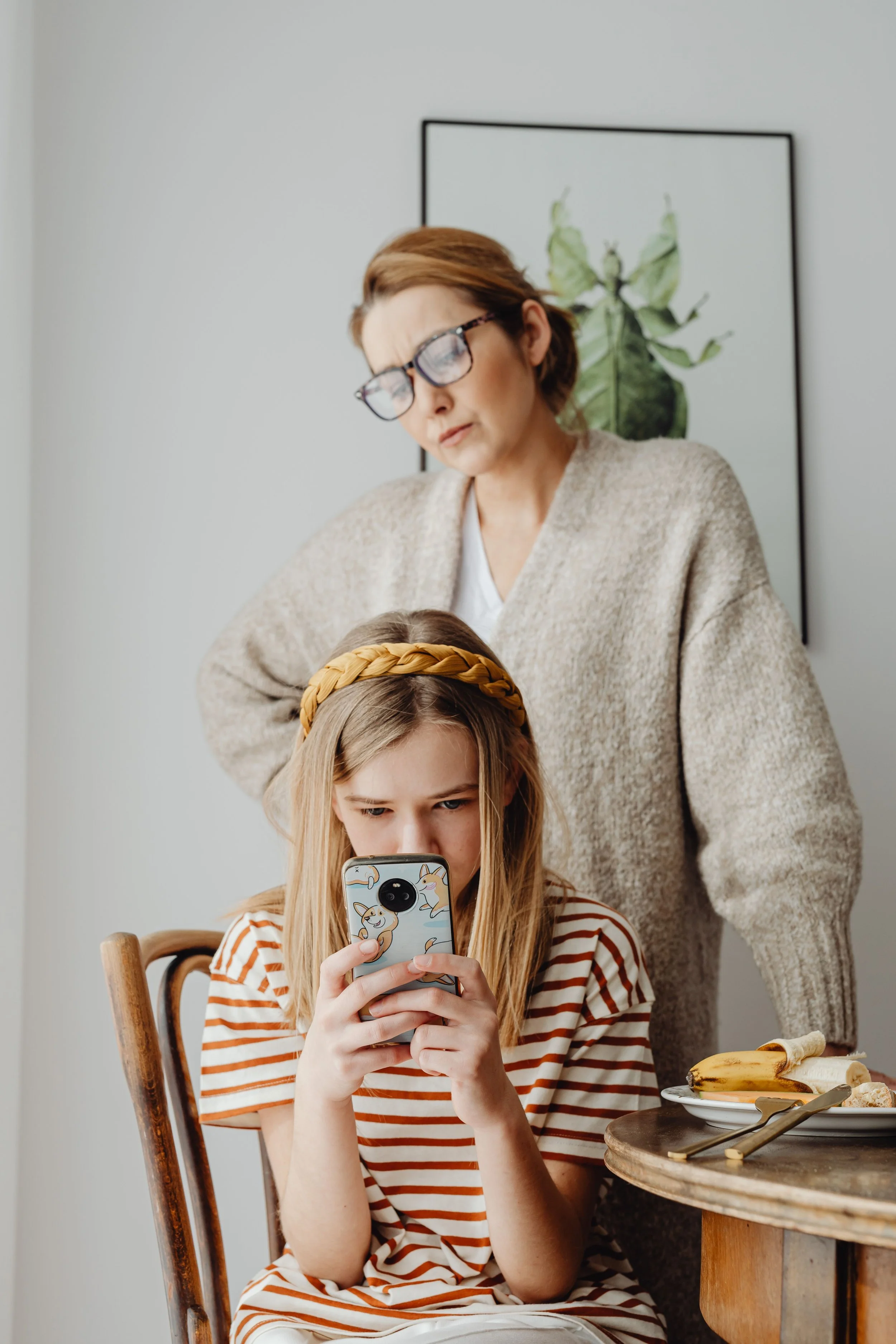
Dr. Chan cautioned families about misinformation on social media. He recommended that parents verify whether information comes from recognized medical professionals, researchers, universities, or trusted eye care organizations. He noted that false claims can delay appropriate treatment and create unnecessary confusion.
Interview Overview
During this interview, Dr. Chan emphasized that childhood myopia is far more than simply needing stronger glasses. He explained that myopia progresses during a relatively short window of childhood growth, making timely intervention essential. Parents who delay care may miss opportunities to slow progression and reduce future eye health risks.
Dr. Chan discussed common misconceptions surrounding myopia, including misinformation found online and the oversimplification of screen time as the sole cause of myopia progression. He encouraged families to seek guidance from qualified eye care professionals and to view myopia management as a proactive medical approach rather than a "wait and see" situation.
The conversation also explored emerging research, advances in myopia-control glasses, gaps in public knowledge, and how organizations like Clarity Reach can help translate complex science into clear, relatable information for families.
BELOW WATCH THE FULL INTERVIEW
Key Highlights
5. SCREEN TIME IS NOT THE WHOLE STORY
Although digital device use often receives attention, Dr. Chan explained that myopia development cannot be blamed on screen time alone. Research suggests that multiple factors contribute to myopia progression, and the relationships between visual activities, outdoor exposure, genetics, and eye growth remain active areas of research.
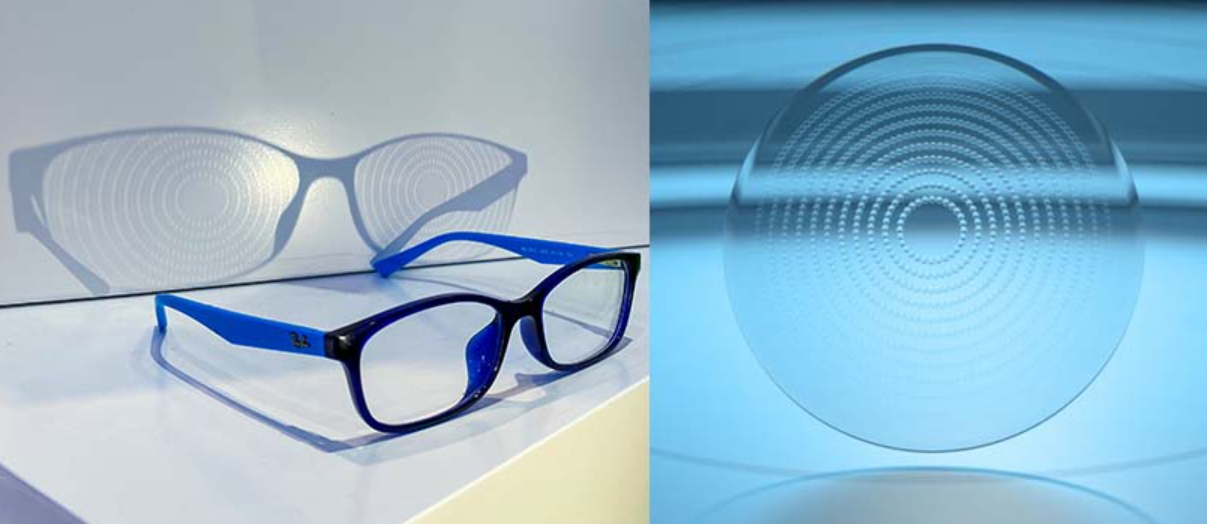
6. MYOPIA-CONTROL GLASSES ARE RAPIDLY ADVANCING
From his perspective as a researcher and editor, Dr. Chan identified myopia-control spectacle lenses as one of the fastest-growing areas in myopia management. He believes these technologies may help make treatment more accessible and easier for families to understand and adopt.
7. IMPORTANT QUESTIONS STILL REMAIN
Despite major advances in treatment, researchers still do not fully understand how myopia begins. Dr. Chan explained that future research will likely focus on understanding the biological origins of myopia, which may lead to even more effective prevention and treatment strategies.
Q&A
-
Dr. Chan explained that myopia is not simply about needing stronger glasses. Progressive myopia increases the risk of serious eye diseases later in life, including retinal detachment, glaucoma, and myopic macular degeneration. He believes parents should view myopia as a medical condition that requires monitoring and management.
-
According to Dr. Chan, childhood myopia is time-sensitive because children experience a limited period of rapid eye growth. Once that growth window passes, opportunities to slow progression become more limited. His message to parents was clear: "time is of the essence." [Clarity Re...h Dr. Chan | Word]
-
One of the most common misconceptions is that worsening vision is simply a normal part of growing up and that stronger glasses are the only solution. Dr. Chan noted that many parents are unaware that modern myopia-management treatments exist and are surprised that no one discussed them earlier. [Clarity Re...h Dr. Chan | Word]
-
Dr. Chan explained that research suggests myopia is more complex than screen time alone. While visual habits matter, myopia cannot be blamed solely on digital devices. Genetics, environmental factors, visual behaviors, and time spent outdoors all play a role.
-
Dr. Chan recommends checking the source. Parents should look for information reviewed by eye care professionals, universities, researchers, or recognized medical organizations. He warned that influencers and non-specialists sometimes share inaccurate information that can mislead families.
-
Dr. Chan encourages parents to take proactive action. Rather than waiting for the next annual exam, families should discuss management options with an eye care professional and, if necessary, seek a second opinion from a provider experienced in myopia management.
-
From his perspective as Medical Co-Editor of Review of Myopia Management, Dr. Chan believes myopia-control spectacle lenses represent one of the fastest-growing areas of the field. He expects this technology to continue expanding and become more widely adopted by families and clinicians.
-
Despite significant advances in treatment, Dr. Chan noted that researchers still do not fully understand exactly how myopia begins. Future research, he believes, will focus on the biological origins of myopia in hopes of developing even more effective prevention and treatment strategies.
-
Dr. Chan explained that many parents can find information online but struggle to determine what applies to their own child. The challenge is not simply awareness, but transforming information into practical action through collaboration with a trusted eye care professional.
-
Dr. Chan believes youth advocates have a unique advantage because they can connect with families through personal experiences. He noted that stories from young people who have lived with myopia can be more relatable and persuasive than messages delivered solely by healthcare professionals.
-
Dr. Chan's recommendation was simple: schedule a comprehensive eye examination for your child. He emphasized that early detection and timely treatment offer the greatest opportunity to protect long-term vision.
-
Dr. Chan explained that many parents have never heard of myopia management until their child is already experiencing worsening vision. They often encounter conflicting information from websites, social media, and even different healthcare providers. This can leave families unsure about which treatment options are appropriate and trustworthy.
-
According to Dr. Chan, many families still believe that stronger glasses are the only solution for worsening vision. Others are simply unaware that treatment options exist. Because myopia progression often happens gradually, parents may assume there is plenty of time to act, when in reality the window for effective intervention is limited.
-
Dr. Chan emphasized that myopia management should be personalized. Every child has different risk factors, visual needs, and treatment considerations. An eye care professional can help determine which options are most suitable and guide families through evidence-based decisions.
-
Dr. Chan explained that his editorial work allows him to transform complex scientific research into practical information that doctors and families can actually use. He believes the greatest value of research comes not from the data itself, but from helping people apply that knowledge in real-world situations.
-
As a GMAC board member, Dr. Chan described the coalition's goal as providing parents with credible, practical information about childhood myopia. The organization focuses on closing the gap between awareness and action by helping families understand what steps they can take to support their child's vision.
-
Dr. Chan noted that treatment decisions should be tailored to each child. Factors such as age, progression rate, lifestyle, and family preferences influence which interventions may be most appropriate. What works well for one child may not be the ideal solution for another.
-
Dr. Chan praised young advocates like Camden and Donya for bringing attention to childhood myopia. He encouraged students to stay curious, continue learning, and use their personal experiences to educate others. He believes the next generation has an important role in advancing awareness and improving public understanding of eye health.

Key Takeaways for Parents
Treat childhood myopia as a medical condition, not simply a need for stronger glasses.
Act early because the most important treatment opportunities occur while children are still growing.
Schedule regular comprehensive eye examinations.
Ask your eye care provider about available myopia-management options.
Be cautious about health information shared on social media.
Verify whether information comes from trusted medical sources.
Understand that myopia progression involves multiple factors, not just screen time.
Seek professional guidance rather than relying only on online advice.
Remember that treatment plans should be individualized for each child.
Early awareness and timely action offer the greatest opportunity to protect long-term vision.
"Childhood myopia is time sensitive. Don't delay any further. Schedule a comprehensive eye exam, seek credible medical advice, and give your child the greatest opportunity for long-term vision succeSs”
— Dr. Kevin Chan
ACKNOWLEDGEMENTS
We would like to thank Kevin Chan, Senior Clinical Director at Treehouse Eyes, Medical Co-Editor of Review of Myopia Management, and leader within the American Academy of Optometry, for sharing his expertise and insights with Clarity Reach. His commitment to public education, evidence-based care, and improving childhood myopia awareness continues to help families make informed decisions about their children's vision and eye health.