
INTERVIEW WITH DR. TERRI A. GOSSARD
CHILDHOOD MYOPIA, EARLY DETECTION, AND PROTECTING LIFELONG VISION
As part of the Clarity Reach Myopia Awareness Project, Camden & Donya Niknam interviewed Dr. Terri A. Gossard, President-Elect of the American Optometric Association, to discuss childhood myopia, early eye examinations, emerging treatment options, and how families can take action to protect their children's vision before permanent problems develop.

1. CHILDREN SHOULD RECEIVE THEIR FIRST EYE EXAM WITHIN THE FIRST YEAR OF LIFE
Dr. Gossard explained that the American Optometric Association recommends eye assessments during infancy to identify vision problems and myopia risk factors before symptoms appear.
2. MYOPIA SHOULD BE TREATED AS A DISEASE
One of the most important changes in eye care is recognizing that myopia is not simply a refractive error. It is a condition that may increase the risk of future eye disease if left unmanaged.
3. EARLY DETECTION IS CRITICAL
Parents should not wait until a child reports difficulty seeing the board at school. Early examinations allow doctors to identify risk factors and begin monitoring before vision problems develop.
4. MODERN TREATMENTS CAN SLOW MYOPIA PROGRESSION
Current evidence-based treatments include low-dose atropine eye drops, specialized contact lenses, and newly available myopia-management spectacle lenses.
Interview Overview
In this interview, Dr. Terri A. Gossard explains why myopia should be viewed as a disease rather than simply a need for glasses. She discusses how early eye examinations can identify children who are at increased risk for nearsightedness long before symptoms become noticeable.
The conversation explores current evidence-based myopia management treatments, including low-dose atropine, specialized contact lenses, and new spectacle lens technologies designed to slow myopia progression. Dr. Gossard also discusses the role of outdoor activity, healthy visual habits, wearable technology, artificial intelligence, and patient education in protecting children's vision.
Throughout the interview, Dr. Gossard emphasizes that early intervention can reduce the likelihood of serious eye diseases later in life and encourages families to schedule regular comprehensive eye examinations rather than waiting until vision problems become obvious.
BELOW WATCH THE FULL INTERVIEW
Key Highlights
5. OUTDOOR TIME MATTERS
Dr. Gossard highlighted research showing that spending approximately two hours or more outdoors each day may help reduce myopia risk and support healthy visual development.
6. TECHNOLOGY CAN SUPPORT BETTER HABITS
New wearable devices and smart eyewear may help families monitor outdoor time, screen habits, and whether prescribed glasses are being worn consistently.
7. AI MAY TRANSFORM FUTURE MYOPIA CARE
Artificial intelligence may help clinicians analyze patient data, identify trends, and develop more personalized treatment plans in the future.
8. THE DOCTOR-PATIENT RELATIONSHIP REMAINS ESSENTIAL
While new technologies offer valuable tools, Dr. Gossard stressed that good healthcare still depends on collaboration between doctors, patients, and families
Q&A
-
Dr. Gossard recommends an initial eye examination during the first year of life, followed by a comprehensive eye exam at age three and regular follow-up evaluations throughout childhood.
-
Children may develop risk factors long before they experience blurry distance vision. Early detection allows doctors to monitor and potentially slow progression.
-
Current options include low-dose atropine eye drops, specialized contact lenses with defocus technology, and new spectacle lenses designed to slow myopia progression.
-
Atropine itself is FDA approved, but its use for myopia management is currently considered an off-label use supported by scientific evidence and clinical experience.
-
Research shows that spending approximately two hours or more outdoors each day may help reduce myopia risk and support healthier visual development.
-
Yes. Emerging wearable technologies may provide useful information about outdoor exposure, screen habits, and eyeglass wear compliance.
-
Dr. Gossard believes AI has the potential to improve diagnostics, data analysis, and personalized treatment planning while still preserving the importance of the doctor-patient relationship.
-
No. Higher levels of myopia are associated with increased risks of retinal detachment, glaucoma, cataracts, and myopic macular degeneration later in life.
-
Schedule a comprehensive eye exam, discuss myopia risk with an eye care professional, and encourage children to spend more time outdoors.
-
Families can consult their eye care professional and review educational resources from the American Optometric Association and ClarityReach.
-
Dr. Gossard explained that many vision problems develop before children enter school. Early examinations can identify risk factors for myopia and other vision conditions before symptoms become noticeable.
-
Yes. Dr. Gossard noted that parents should not wait for obvious symptoms. Some children may be at higher risk for myopia even before they complain of blurry vision.
-
According to Dr. Gossard, important risk factors include family history of nearsightedness, limited outdoor exposure, and early signs that the eyes are not developing normally.
-
Dr. Gossard emphasized that myopia is associated with increased lifetime risks of retinal detachment, glaucoma, cataracts, and myopic macular degeneration.
-
Many families view myopia simply as needing glasses. Dr. Gossard explained that myopia management should be viewed as healthcare that may help reduce future eye disease risk.
-
Yes. Dr. Gossard discussed several evidence-based treatment options that can slow progression, including low-dose atropine, specialty contact lenses, and new spectacle lens technologies.
-
Even reducing progression by a small amount can lower the risk of future vision-threatening conditions later in life.
-
Dr. Gossard believes gene-editing technologies are promising but noted that myopia is influenced by both genetics and environment. She views widespread use of these technologies for common childhood myopia as a future possibility rather than a near-term solution.
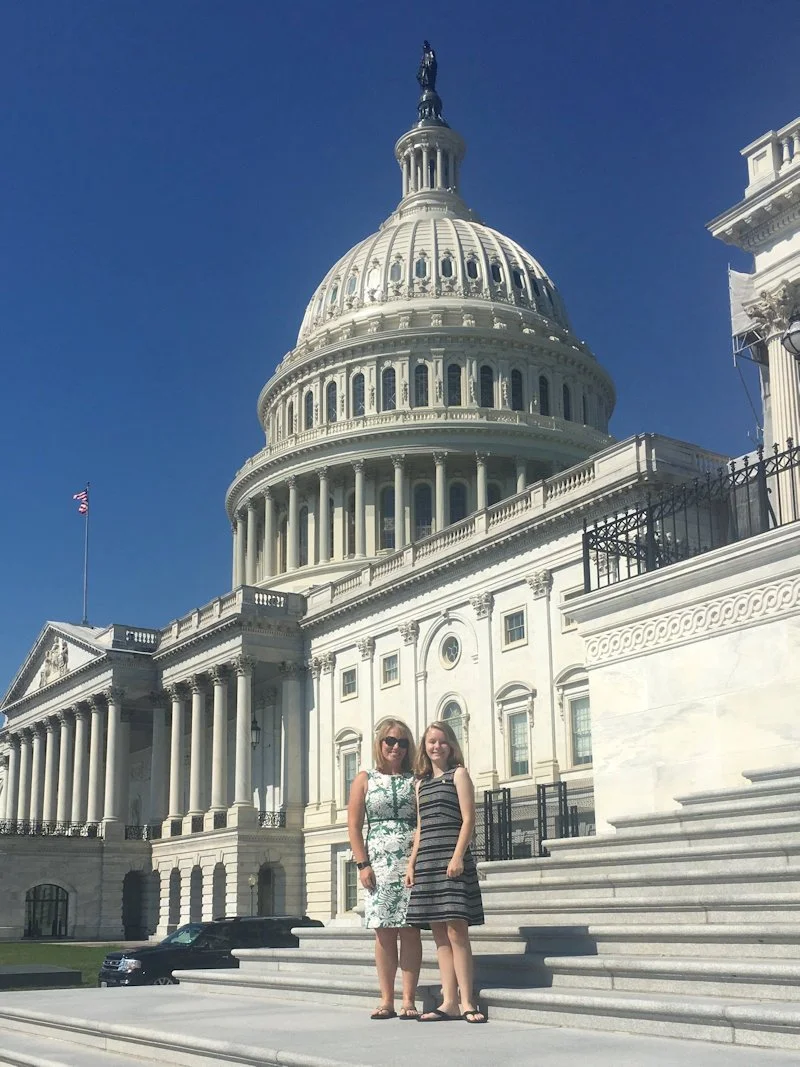

Key Takeaways for Parents
1. SCHEDULE YOUR CHILD'S FIRST EYE EXAM WITHIN THE FIRST YEAR OF LIFE
2. FOLLOW UP WITH A COMPREHENSIVE EYE EXAM BY AGE 3
3. DO NOT WAIT FOR VISION PROBLEMS TO BECOME OBVIOUS
4. ENCOURAGE AT LEAST 2 HOURS OF OUTDOOR ACTIVITY DAILY
5. ASK YOUR EYE DOCTOR ABOUT MYOPIA RISK FACTORS
6. EXPLORE EVIDENCE-BASED MYOPIA MANAGEMENT OPTIONS
7. LIMIT EXCESSIVE CLOSE-UP SCREEN TIME
8. UNDERSTAND THAT MYOPIA IS MORE THAN JUST NEEDING GLASSES
9. EARLY INTERVENTION CAN REDUCE FUTURE EYE DISEASE RISK
10. REGULAR COMPREHENSIVE EYE CARE IS ESSENTIAL FOR CHILDREN
“schedule a comprehensive eye examination and begin a conversation with an eye care professional about the child's risk factors and vision development.”
— Dr. Terri Gossard
ACKNOWLEDGEMENTS
The Clarity Reach team would like to express our sincere gratitude to everyone who helped make this interview possible.
A special thank you to Dr. Gossard, President-Elect of the American Optometric Association (2026-2027), for generously sharing her time, expertise, and insights on childhood myopia, early intervention, and lifelong vision health. Her commitment to patient education and children's eye health helped make this interview both informative and inspiring.
We would also like to thank Deirdre Middleton, Chief Communications Officer at the American Optometric Association, for her assistance in coordinating this interview and supporting our efforts to expand public understanding of childhood myopia and vision care.
As a student-led nonprofit, Clarity Reach is especially grateful for the encouragement and guidance we have received from leaders throughout the eye care community. Their willingness to support educational initiatives helps us make reliable information more accessible to families, students, and young people affected by myopia.
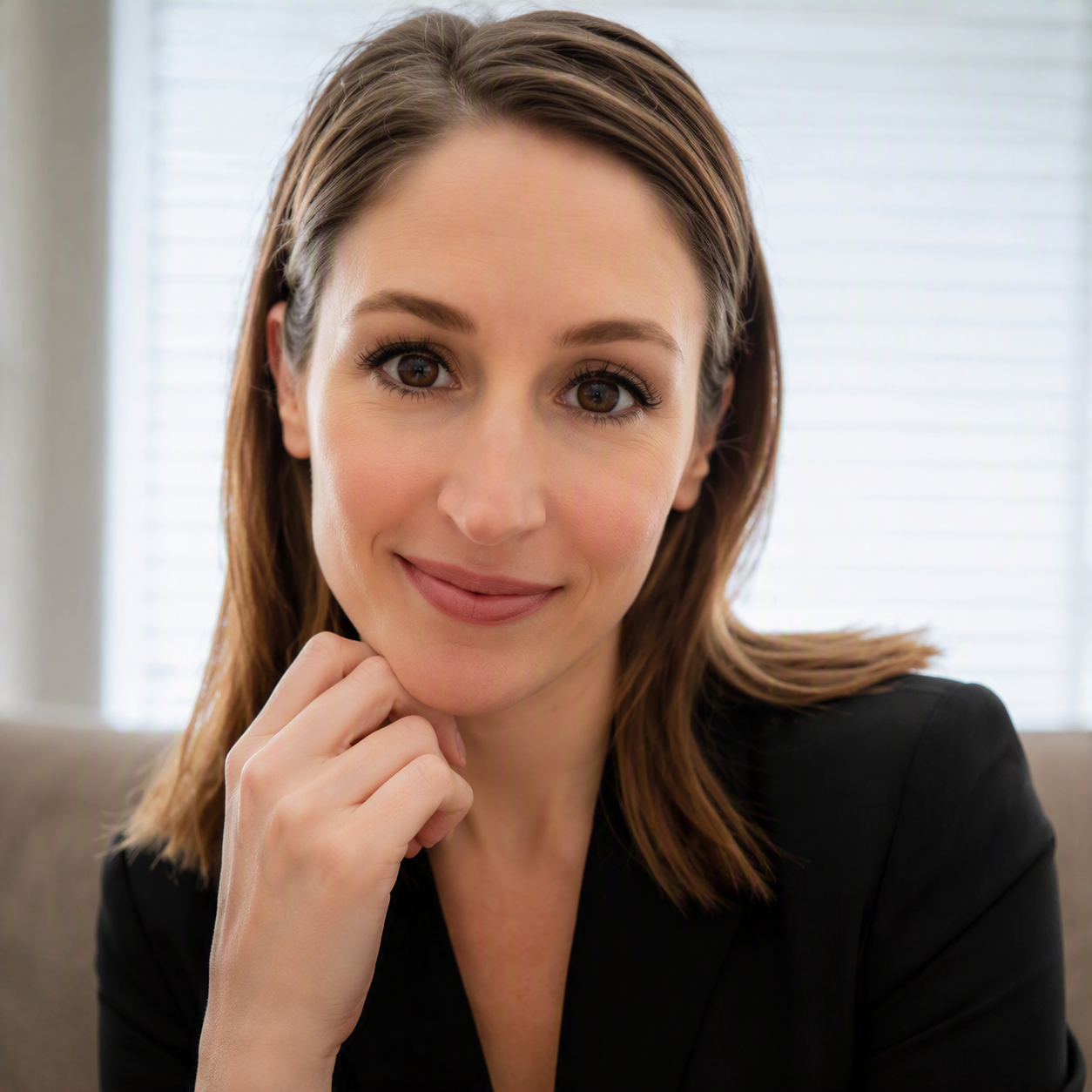
Deirdre Middleton, Chief Communications Officer at the American Optometric Association