
INTERVIEW WITH DR. TERI GEIST
EARLY DETECTION, PUBLIC AWARENESS, AND PROTECTING LIFELONG VISION
As part of the Clarity Reach Myopia Awareness Project, we interviewed Doctor Teri Geist, O.D., President of the American Optometric Association, to discuss childhood myopia, early eye examinations, vision health awareness, treatment options, and practical steps parents can take to protect their children's eyesight.

1. Myopia Is More Than Just Needing Glasses
Dr. Geist explained that myopia increases the risk of serious eye diseases later in life, including retinal detachment and glaucoma. Parents should understand that managing myopia is about protecting long-term eye health, not simply improving vision with glasses.
2. Children Often Do Not Know They Have Vision Problems
Many children do not complain about blurry vision because they have never experienced normal vision. Parents and teachers often play a critical role in identifying symptoms and seeking professional care.
3. Early Eye Exams Are Critical
The American Optometric Association recommends that children receive a comprehensive eye examination at approximately six months of age. Early exams help identify risk factors before problems become more significant.
4. Multiple Myopia Management Options Are Available
Today's families have more options than ever, including atropine eye drops, specialty contact lenses, and myopia-control spectacle lenses. Treatment decisions should be personalized based on age, risk factors, and family circumstances.
Interview Overview
During this interview, Dr. Geist explains why myopia is more than simply needing glasses and why comprehensive eye health evaluations are essential throughout life. She discusses the increased risk of retinal detachment, glaucoma, and other eye diseases associated with myopia, emphasizing the importance of early detection and regular follow-up care.
Dr. Geist also highlights the growing global prevalence of myopia, the role of genetics and environmental factors, and the importance of outdoor activity in childhood visual development. She discusses several evidence-based myopia management options, including low-dose atropine, specialty contact lenses, and advanced spectacle lens technologies.
Throughout the conversation, Dr. Geist repeatedly emphasizes public awareness, comprehensive eye exams beginning in infancy, and ensuring that children receive appropriate follow-up care after school vision screenings.
BELOW WATCH THE FULL INTERVIEW
Key Highlights

5. OUTDOOR TIME MATTERS
One of Dr. Geist's strongest recommendations was ensuring children spend at least two hours outdoors daily. She believes this remains one of the most important lifestyle factors associated with healthy visual development.
6. Digital Devices Should Be Used In Moderation
Dr. Geist noted that technology itself is not necessarily the problem. The challenge is balancing near work with outdoor activity, movement, and healthy habits.
7. AI May Transform Myopia Care
Artificial intelligence could help identify risk factors earlier, analyze patient data, and create more personalized treatment plans in the future.
8. There Is Still A Care Gap
Many children fail school vision screenings but never receive comprehensive follow-up eye care. Dr. Geist believes improving this follow-up process is a major public health opportunity.
Q&A
-
Dr. Geist explained that myopia is associated with increased lifetime risks of retinal detachment, glaucoma, and other eye diseases. This is why long-term monitoring and management are so important.
-
Children often do not realize they have vision problems. Parents should not wait for complaints and should schedule regular comprehensive eye examinations.
-
Dr. Geist noted that the AOA recommends a comprehensive eye examination at approximately six months of age.
-
Available options include low-dose atropine, specialty contact lenses, and specialized spectacle lenses designed to help manage myopia progression.
-
Dr. Geist emphasized moderation. The goal is balancing digital activities with sufficient outdoor time and healthy visual habits.
-
Children with myopia often find close objects more comfortable to view because distant objects appear blurry.
-
Children with one or two myopic parents generally have a higher risk of developing myopia themselves.
-
Dr. Geist explained that annual comprehensive eye examinations for children are covered under provisions of the Affordable Care Act, although many specific myopia management treatments still face reimbursement challenges.
-
Availability varies by location and often depends on specialty compounding pharmacies. Dr. Geist recommends working closely with an eye care professional to identify appropriate options.
-
Families can consult their eye care professional and review educational resources from the American Optometric Association and ClarityReach.
-
Yes. Dr. Geist believes AI may help identify risk factors earlier and support more personalized treatment decisions in the future.
-
Many assume children are receiving needed eye care after screenings. In reality, many children never receive the recommended follow-up examination and treatment.
-
Through public education initiatives such as the "Eye Deserve More" campaign, increasing awareness about comprehensive eye examinations and children's vision health.
-
Dr. Geist's recommendation was straightforward: schedule a comprehensive back-to-school eye exam and encourage children to spend more time outdoors.
-
Dr. Geist highlighted the importance of outdoor time, regular comprehensive eye exams, and healthy visual habits. She encouraged families to make outdoor activity part of a child’s daily routine and to avoid relying only on school vision screenings, which may not provide a full picture of a child’s eye health
-
Dr. Geist emphasized that children should receive a comprehensive eye exam early in life, even before parents notice vision problems. She discussed the importance of eye exams beginning in infancy and continuing through childhood, because many children do not realize they are not seeing clearly
-
Dr. Geist discussed several available options, including low-dose atropine eye drops, specialty contact lenses, and myopia-management spectacle lenses. She emphasized that treatment decisions should be made with an eye care professional based on the child’s age, risk factors, progression, and family needs.


Key Takeaways for Parents
1. Schedule a comprehensive eye exam by age six months
2. Understand that myopia affects long-term eye health
3. Learn your child's family history and risk factors
4. Encourage at least two hours of outdoor activity daily
5. Balance screen time with outdoor play
6. Don't wait for children to complain about blurry vision
7. Ask your eye doctor about myopia management options
8. Follow up after any failed school vision screening
9. Remember that good vision supports learning and academic success
10. Schedule a back-to-school eye exam every year
“children often do not know they have a vision problem, which is why regular comprehensive eye exams are so important.”
— Dr. Teri geist
ACKNOWLEDGEMENTS
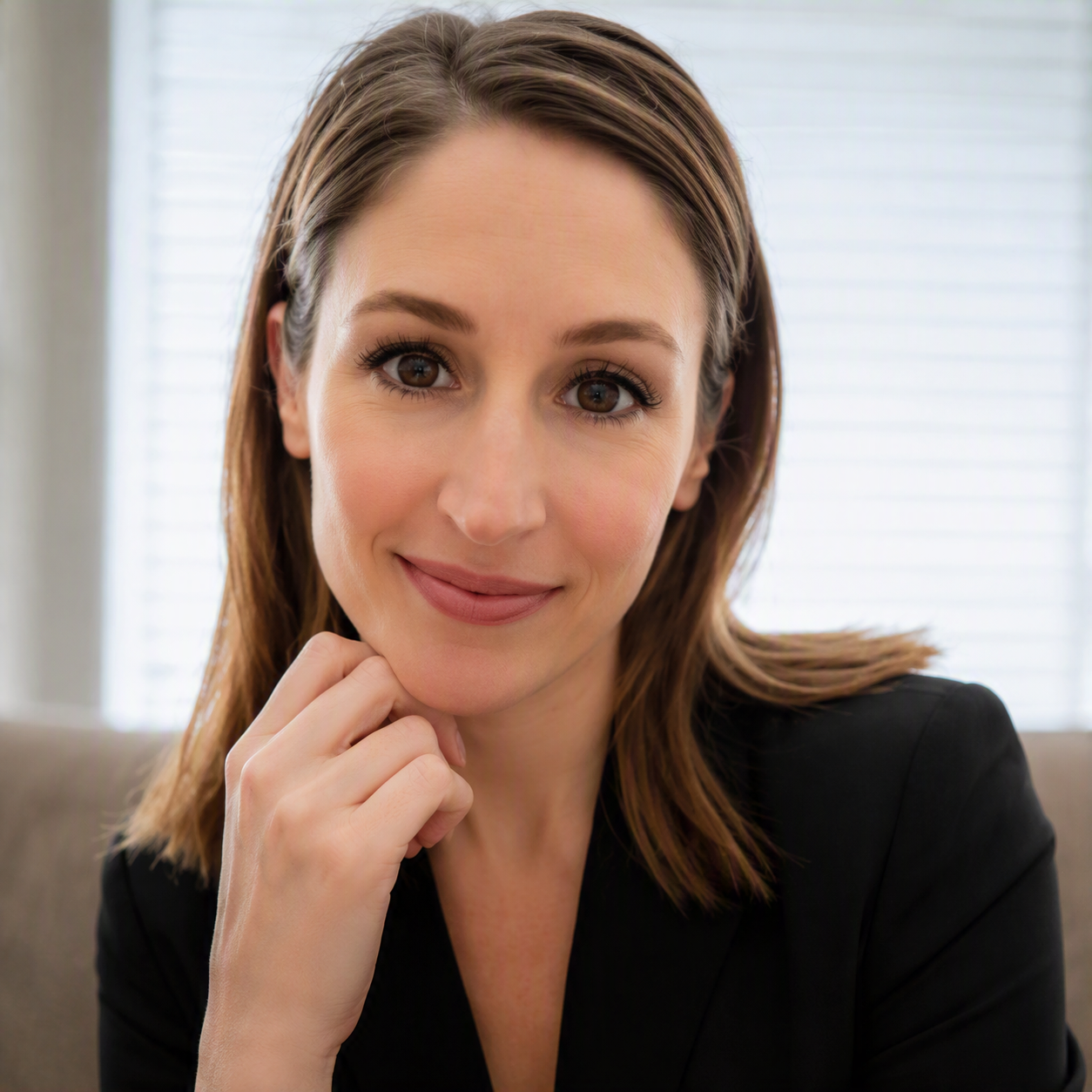
We would like to express our sincere gratitude to Dr. Geist, President of the American Optometric Association (2026-2027), for generously sharing her time, expertise, and passion for children's vision health. Her commitment to public awareness, early intervention, and comprehensive eye care made this interview both educational and inspiring.
We would also like to thank Deirdre Middleton, Chief Communications Officer at the American Optometric Association, for her assistance in coordinating this interview and supporting our efforts to expand public understanding of childhood myopia and vision care.
We are especially grateful for her encouragement of Clarity Reach and her support for student-led efforts to improve awareness of childhood myopia and vision health.
Deirdre Middleton, Chief Communications Officer at the American Optometric Association