
Interview with Dr. Curtis A. Ono
CHILDHOOD MYOPIA, COMPREHENSIVE EYE EXAMS, AND THE POWER OF PATIENT EDUCATION
As part of the Clarity Reach Myopia Awareness Project, we interviewed Dr. Curtis A. Ono, Vice President of the American Optometric Association (AOA), to discuss childhood myopia, comprehensive eye examinations, treatment options, public awareness, and practical strategies families can use to protect long-term eye health. Dr. Ono also shared insights from more than 30 years of clinical experience serving children and families.
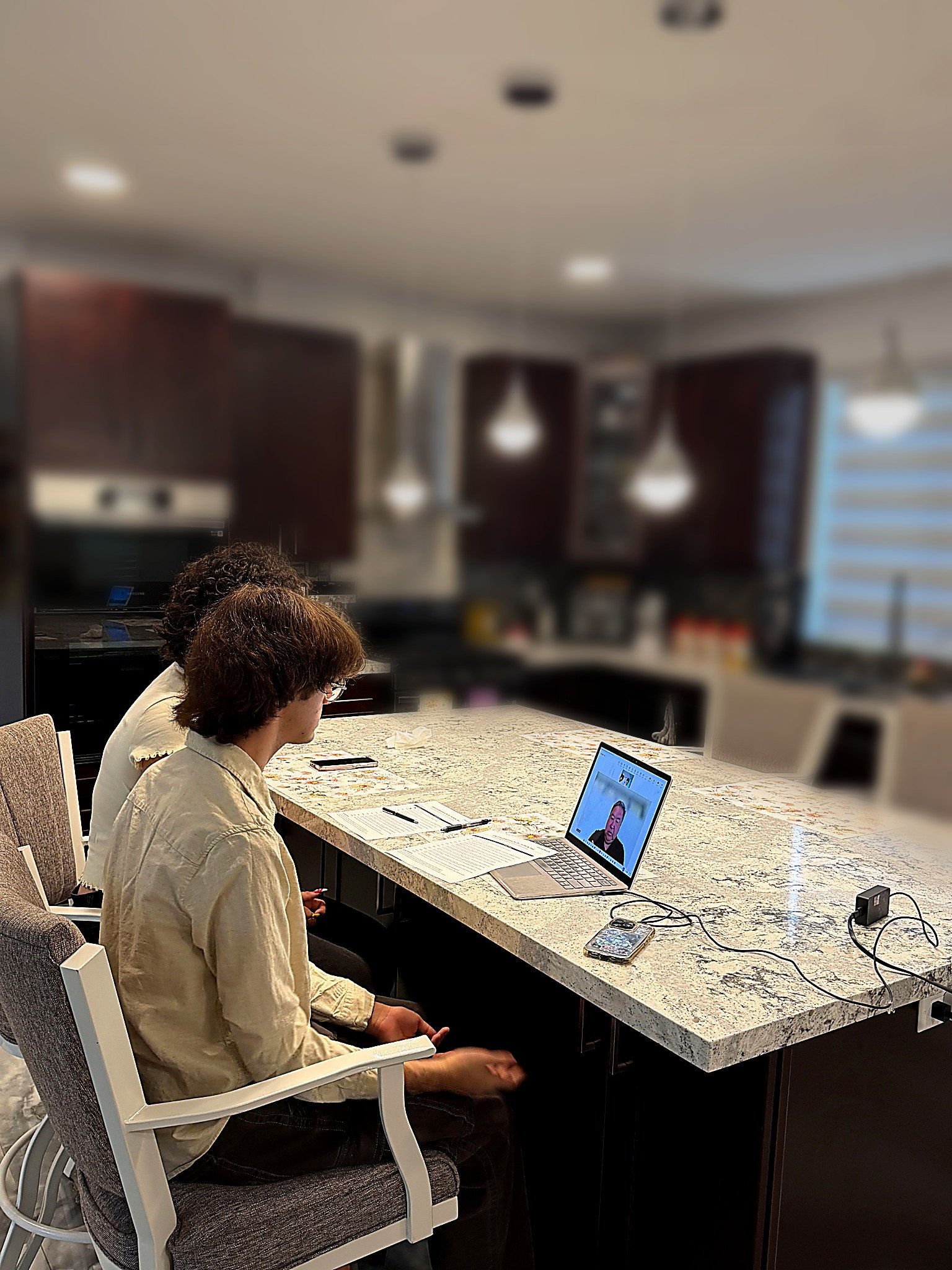
1. Myopia Is More Than Just Needing Glasses
Dr. Ono explains that myopia should be viewed as a long-term eye health condition rather than simply a refractive error. Higher levels of myopia are associated with increased risks of glaucoma, retinal disease, retinal detachment, cataracts, and other serious ocular conditions.
2. EARLY EYE EXAMS CAN IDENTIFY RISK BEFORE PROBLEMS APPEAR
The AOA recommends early eye assessments, including examinations between 6–12 months of age, followed by additional exams during preschool years and annually after children begin school. Dr. Ono notes that eye care providers can often identify risk factors and predict future myopia progression long before symptoms become obvious.
3. PEER-TO-PEER EDUCATION IS EXTREMELY EFFECTIVE
Dr. Ono praised Clarity Reach's student-led approach and emphasized that children often learn best from other children and families learn best from other parents. Personal stories and real-life experiences can be powerful tools for improving awareness and encouraging action.
4. MYOPIA IS A GLOBAL PUBLIC HEALTH CONCERN
The interview highlights growing international concern regarding myopia progression. Dr. Ono discusses increasing prevalence worldwide, research findings from Asia and the United States, and support from major organizations including the World Health Organization for recognizing progressive myopia as an important public health challenge.
Interview Overview
During this interview, Dr. Curtis Ono explains why myopia is not simply a vision correction issue but a long-term eye health concern. He discusses the connection between high myopia and serious eye conditions such as glaucoma, retinal disease, retinal detachment, cataracts, and other vision-threatening complications.
Dr. Ono emphasizes the importance of early comprehensive eye examinations beginning in infancy and explains how providers can identify children who may be at higher risk for developing progressive myopia. He discusses why annual eye examinations are important throughout childhood and how early intervention can help protect lifelong vision.
The conversation also explores treatment options including low-dose atropine, myopia-control contact lenses, advanced spectacle lens technologies, and the importance of selecting treatments based on each child's individual needs and circumstances.
Throughout the interview, Dr. Ono highlights public awareness, peer-to-peer education, family engagement, and collaboration between eye care providers, schools, parents, policymakers, and insurers as critical components in addressing the growing global myopia challenge.
BELOW WATCH THE FULL INTERVIEW
Key Highlights
5. COMPREHENSIVE EYE health EXAMS ARE very DIFFERENT FROM VISION SCREENINGS
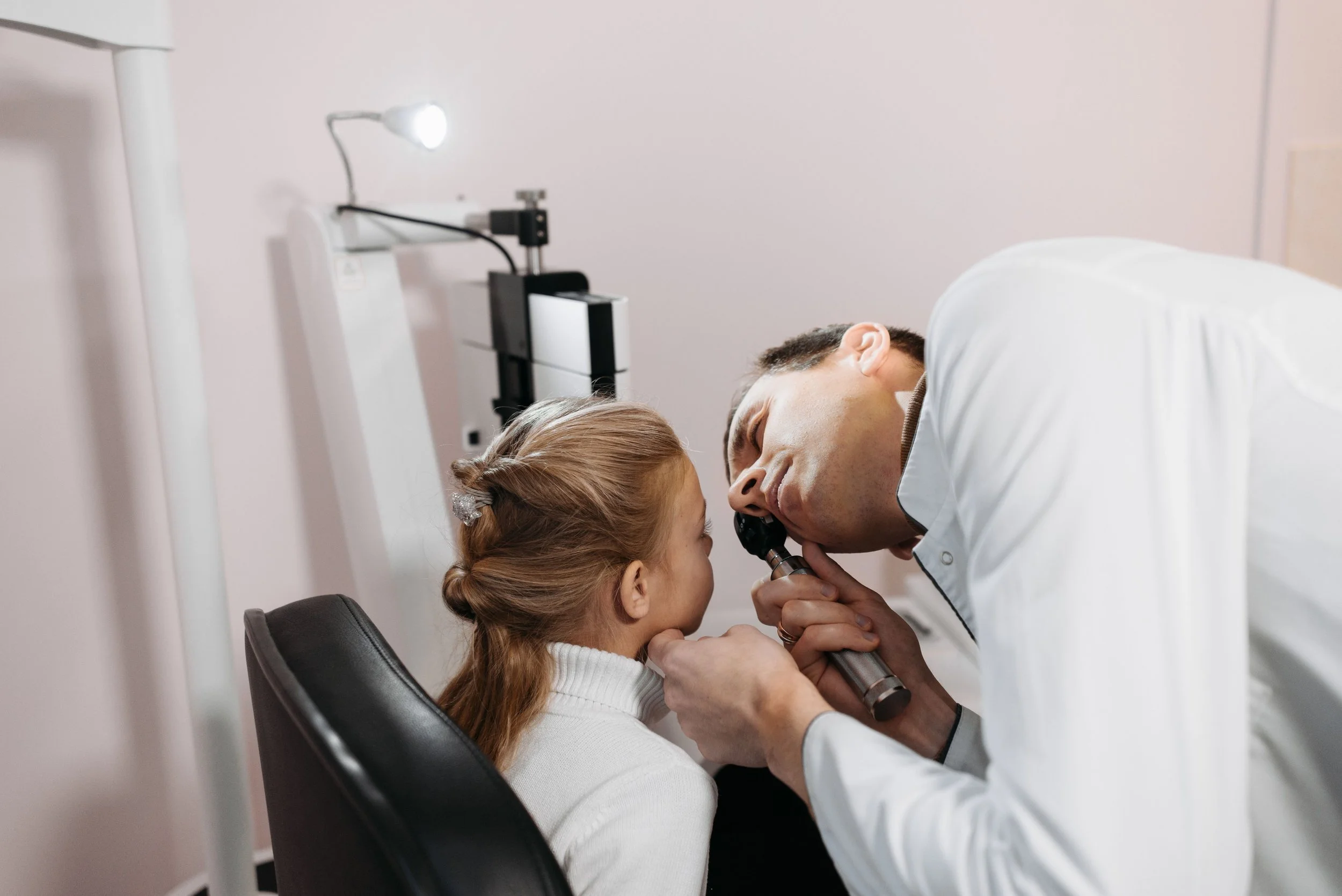
Dr. Ono explains that school vision screenings simply assess whether a child can see certain letters or symbols, while comprehensive eye examinations evaluate eye health, focusing ability, eye coordination, tracking, disease risk, and other conditions that may not be detected through a basic screening.
6. TREATMENT SHOULD BE PERSONALIZED
Not every child is an ideal candidate for the same myopia treatment. Dr. Ono discusses how factors such as age, prescription level, astigmatism, lifestyle, comfort with eye drops, and willingness to wear contact lenses all influence treatment decisions.
7. ARTIFICIAL INTELLIGENCE MAY HELP IDENTIFY RISK FACTORS
Dr. Ono explains how artificial intelligence may help providers analyze multiple factors including family history, prescription changes, eye measurements, and lifestyle habits. However, AI should be viewed as a clinical tool that supports providers rather than replaces professional judgment.
Q&A
-
According to Dr. Ono, myopia is associated with increased risks of glaucoma, retinal disease, retinal detachment, cataracts, and other potentially sight-threatening conditions. It should not be viewed simply as needing glasses.
-
Dr. Ono recommends a first eye assessment between 6 and 12 months of age, followed by additional examinations during preschool years and annually after children begin school.
-
A vision screening measures basic vision performance, while a comprehensive examination evaluates overall eye health, eye alignment, focusing ability, tracking, disease risk, and other important visual functions.
-
Dr. Ono's recommendation is simple: schedule a comprehensive eye examination and establish a baseline for your child's eye health as early as possible.
-
Dr. Ono encourages families to work closely with trusted eye care providers, ask questions, review educational resources, and stay informed about evidence-based myopia management options.
-
According to Dr. Ono, myopia progression is influenced by multiple factors, including family history, genetics, near work activities, limited outdoor time, and environmental influences. Understanding these risk factors can help providers identify children who may benefit from earlier intervention.
-
Dr. Ono explained that reduced outdoor activity is one of several factors associated with increasing rates of myopia worldwide. While outdoor time is not the only factor involved, encouraging children to spend more time outside may help support healthy visual development.
-
Dr. Ono emphasized that there is no single treatment that works for every child. Factors such as age, prescription level, lifestyle, comfort with eye drops, astigmatism, and willingness to wear contact lenses should all be considered when selecting a treatment plan.
-
Dr. Ono stressed that treatment plans should be flexible. If a child is uncomfortable with eye drops, contact lenses, or another approach, families can work with their eye care provider to explore alternatives. The most important goal is finding a management strategy that the child can realistically follow.
-
Dr. Ono recommends involving children in their own eye care decisions whenever possible. Allowing children to participate in selecting eyeglass frames or discussing treatment options can improve buy-in, increase motivation, and help encourage consistent use of prescribed treatments.
-
Dr. Ono believes artificial intelligence can help providers analyze large amounts of information, identify risk factors, and support clinical decision-making. However, he emphasized that AI should be used as a tool for eye care professionals and should never replace clinical judgment or patient-provider relationships.
-
Dr. Ono explained that many parents are busy and often face barriers such as time, uncertainty about insurance coverage, transportation challenges, or difficulty finding the right provider. He noted that improving follow-up care after screenings is one of the major challenges currently being addressed through public health initiatives.
-
No. Dr. Ono emphasized that many children adapt to vision problems and may not realize something is wrong. Comprehensive eye examinations can detect issues before symptoms become obvious, allowing families to take action earlier.
-
Dr. Ono believes awareness efforts are most effective when they combine personal stories with evidence-based information. He emphasized that peer-to-peer communication, student advocacy, parent education, school outreach, and community engagement can all help families better understand the importance of early eye care and myopia management.
-
Dr. Ono explained that progressive myopia is associated with increased risks of glaucoma, retinal detachment, retinal disease, and other serious vision-threatening complications. He noted that organizations, researchers, and health leaders are working to encourage broader recognition of myopia as a medical and public health condition rather than simply a vision correction issue.
-
According to Dr. Ono, patients and families are essential partners in improving eye care. He explained that parents often provide valuable feedback about treatment experiences, pharmacy access, compliance challenges, and real-world outcomes. He also emphasized that families who share their experiences can become powerful advocates for awareness, prevention, and improved access to care.
-
Dr. Ono's message is simple: don't wait. Schedule a comprehensive eye examination and establish a baseline of your child's eye health. The best outcome is hearing that everything is healthy, but an examination provides reassurance and helps identify concerns before they become more serious.
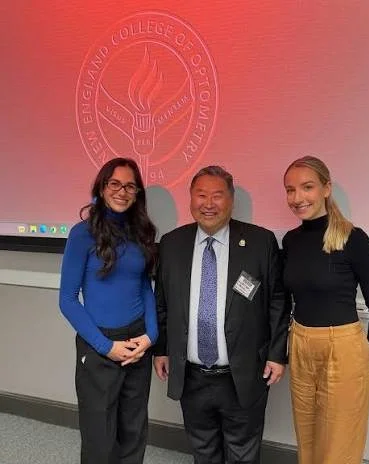
Image Courtesy of https://www.instagram.com/p/DDP5Llhx9bh/
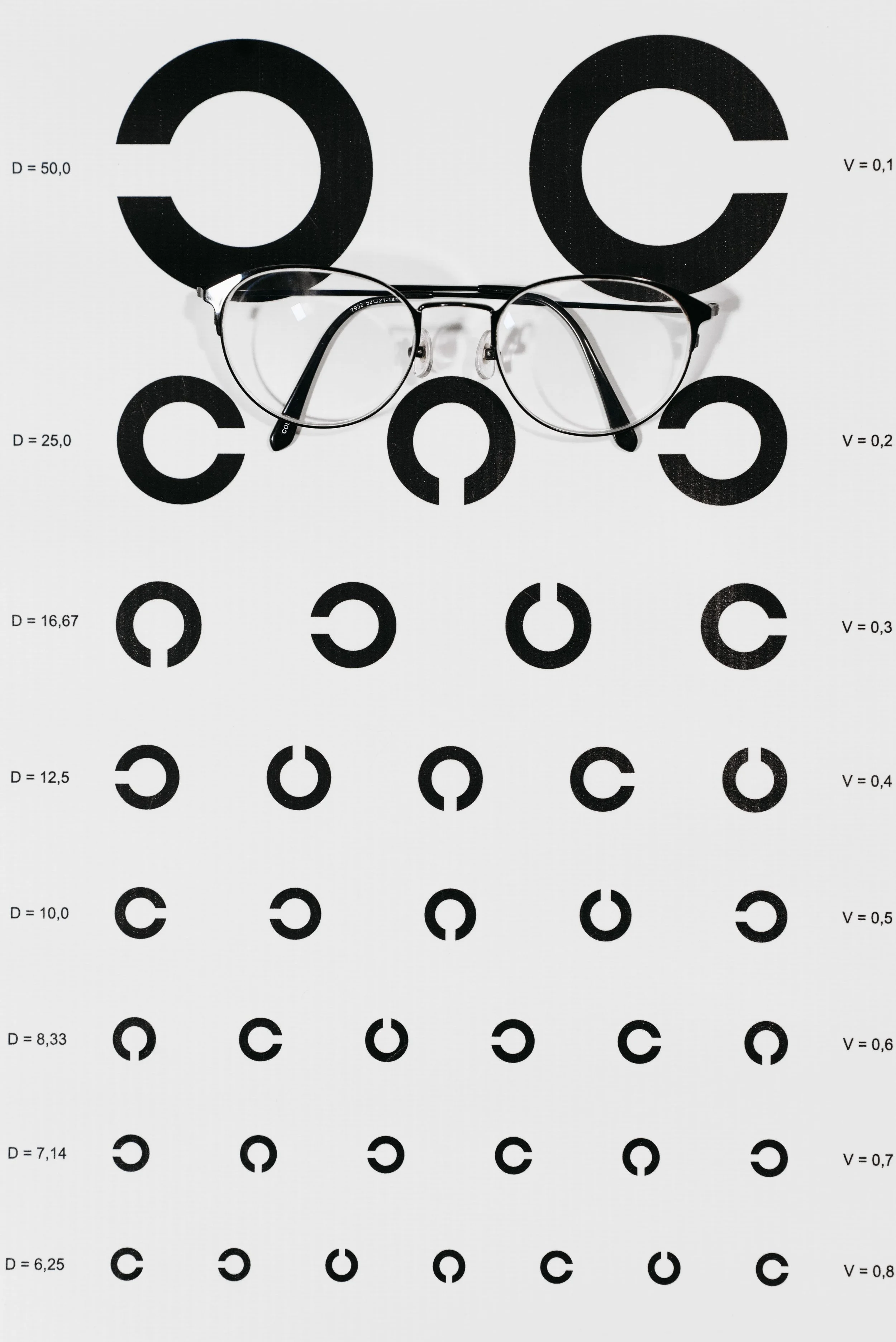

Key Takeaways for Parents
1. Schedule a comprehensive eye examination by age six to twelve months.
2. Understand that myopia affects long-term eye health, not just vision clarity.
3. Ask your eye doctor about your child's risk factors for progressive myopia.
4. Recognize that genetics, near work, and limited outdoor activity may contribute to myopia progression.
5. Learn about evidence-based myopia management options early.
6. Do not assume a passed school vision screening means everything is normal.
7. Follow up after any failed vision screening.
8. Include children in treatment decisions to improve engagement and compliance.
9. Use trusted resources and maintain open communication with your eye care provider.
10. Schedule annual eye examinations throughout childhood.
"We want you to be fully informed. We want you to be comfortable. And if one treatment isn't the right fit, we can always adjust the plan."
— Dr. Curtis A. Ono
ACKNOWLEDGEMENTS
The Clarity Reach team sincerely thanks Dr. Curtis A. Ono, Vice President of the American Optometric Association (2026-2027), for participating in this interview and sharing his expertise on childhood myopia, comprehensive eye care, and public awareness. His insights, encouragement, and dedication to improving access to vision care have helped strengthen our mission to educate families and promote healthier vision outcomes for children everywhere.
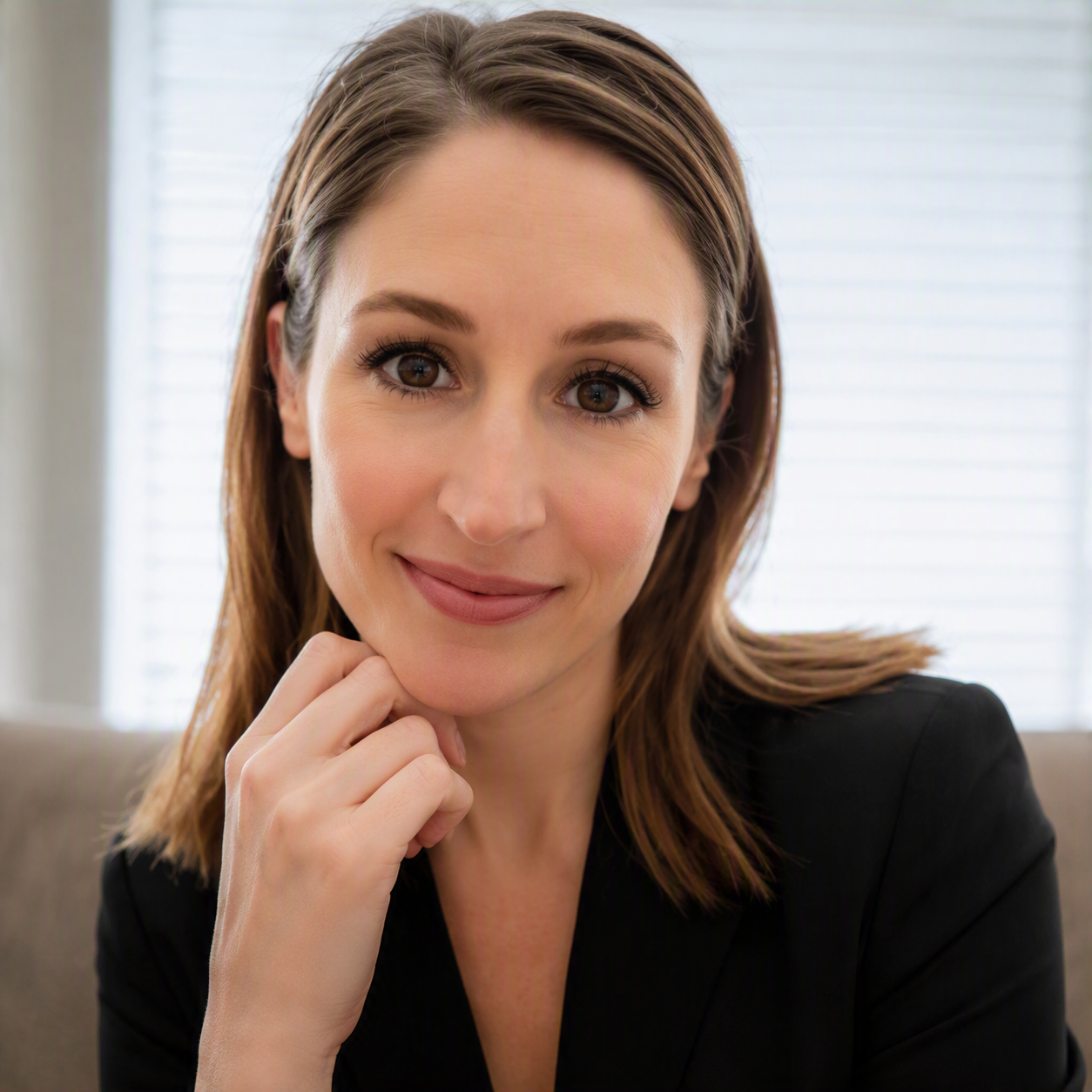
We are grateful to Deirdre Middleton, Chief Communications Officer at the American Optometric Association, for coordinating this interview and helping make this conversation possible. Her support of educational outreach and public engagement has been instrumental in expanding opportunities for meaningful discussions about childhood myopia, eye health, and patient education. We deeply appreciate her encouragement of Clarity Reach and her belief in the value of student-led advocacy and awareness efforts.
Deirdre Middleton, Chief Communications Officer at the American Optometric Association